Day one of the 2019 Automobility LA show might be best summed
up in one word “Karma.” The first media
day is basically a series of thirty minutes (or more) technology update
panels. I find it interesting on a
number of levels, including what really is new and what is status of the field.
For the most part, especially if you have attended a number
of these over the years, you take what is said with a grain of salt and
consider it a lot of marketing hype designed to stimulate discussion, create
awareness, and in more cases than not, investor interest.
My ‘take-aways’ from today include:
The
new CEO of Faraday (he was the CEO of Byton last year) sees the real financial profitability
coming from the interconnected digital experience, rather than through the sales
of their FF91 (September 2021) at $150-200k, or of their FF81 after that at
$60-80k.
The
“living space” experience of future semi-autonomous and ultimately, fully autonomous
(levels 4 and 5) vehicles is the ‘hot’ topic focus of many presenters here.
Critical
is figuring out how to integrate all of the vehicle voice assistants, such as
OEM versions and Alexa, along with the artificial intelligence (AI) dynamic
data base so that it is a seamless experience for the end user.
Figuring
out how to gain the trust in the general public of autonomous vehicles (AVs)
One split in thinking and focus that I feel isn’t being given
enough effort is that there really are two very different AV ‘roads’ that need
to be integrated for this future disruption to succeed. That is, one faction sees AVs as ultimately
the replacement for the personal car as simple a means to primarily get from A
to B, while the other is attempting to create a whole new means of experience
that people will just want to do because of the experience. The later are focused on integrating lots of
monitors (screens), high end audio, augmented reality, etc. An overriding issue for both factions is what
the respective impact will be on reducing congestion in urban environments.
Continuing issues include lack of standardized intra and
inter vehicle communication (software), privacy of the ever-expanding data base
on each end user (incrementally increasing under the 5G capabilities), and lack
of interstate DMV regulation for AVs.
It still appears that the near future of AVs will be restricted
to proprietary lanes on highways and in urban environments, where human driven
vehicles are not allowed to drive. Under
this set-up, I believe we will see a significant reduction in accidents and
deaths.
Oh, and why this first day is best summed up as Karma? The
simple answer is that Karma had their FF91 there, as well as functioning
protypes of their future vision cars the SC1 and SC2 (convertible and hardtop respectively,
each with ‘scissor’ doors), and their Revero GTS model. Alternatively, as a bit of tongue-in-cheek,
perhaps the future of AVs is just karma personified…
More to come. In the interim, what are your thoughts?
My travels have provided me the opportunity to experience more than 60 amazing countries and cultures. A friend challenged me to try and provide a visual summary of one of my trips in a five minute or less ‘tour.’ [I am not sure but think the motivation was so they did not have to sit through one of my Blu-ray shows, that often run about an hour or so production…]
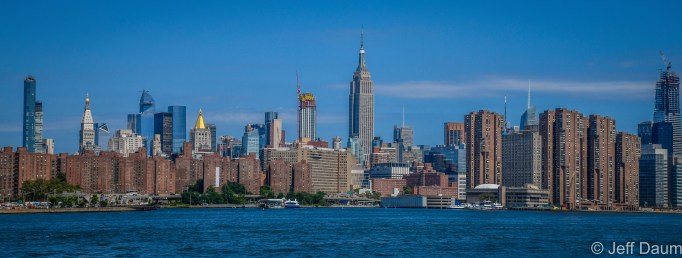
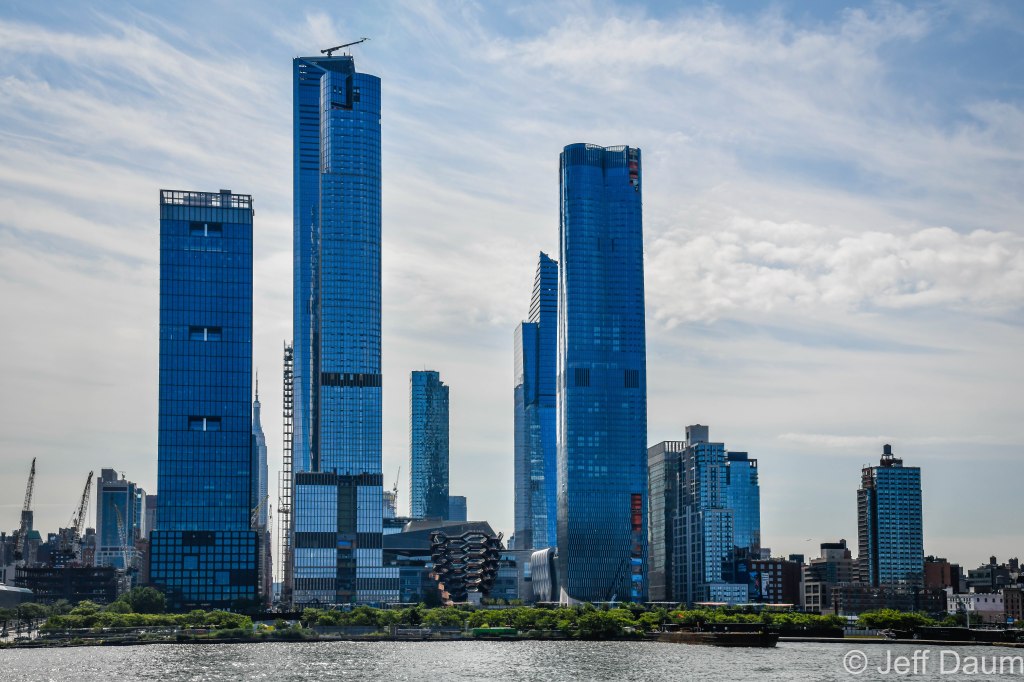
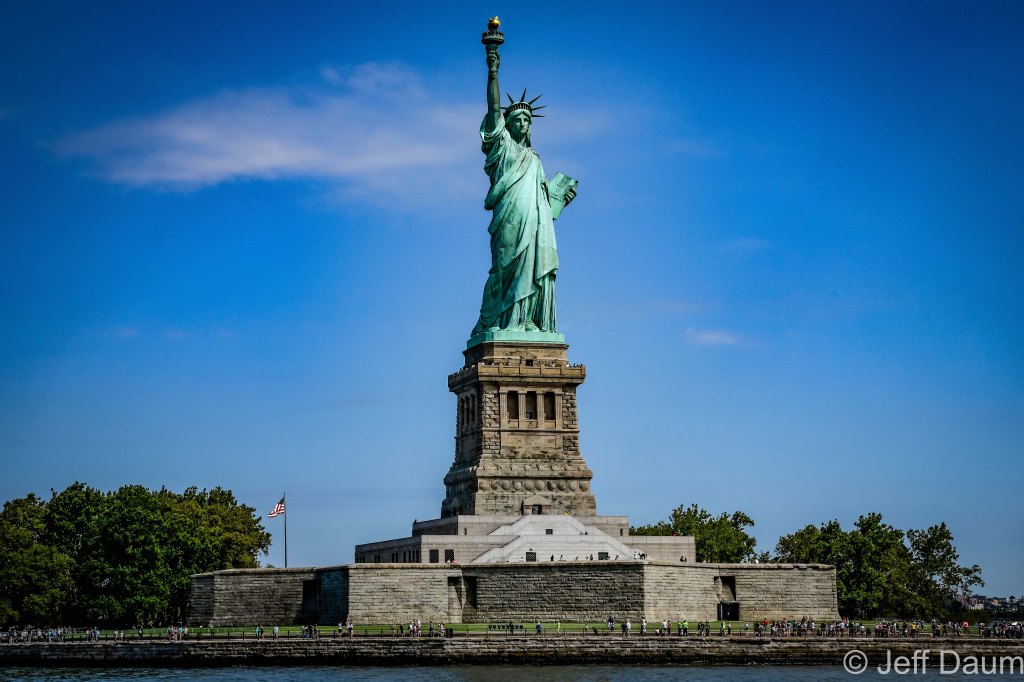
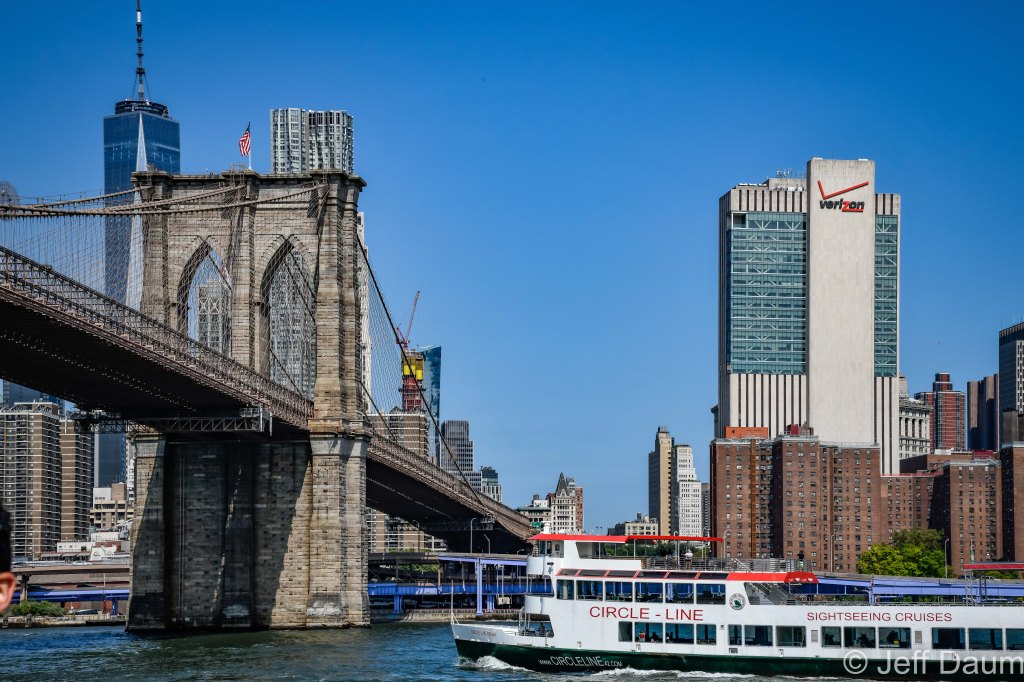
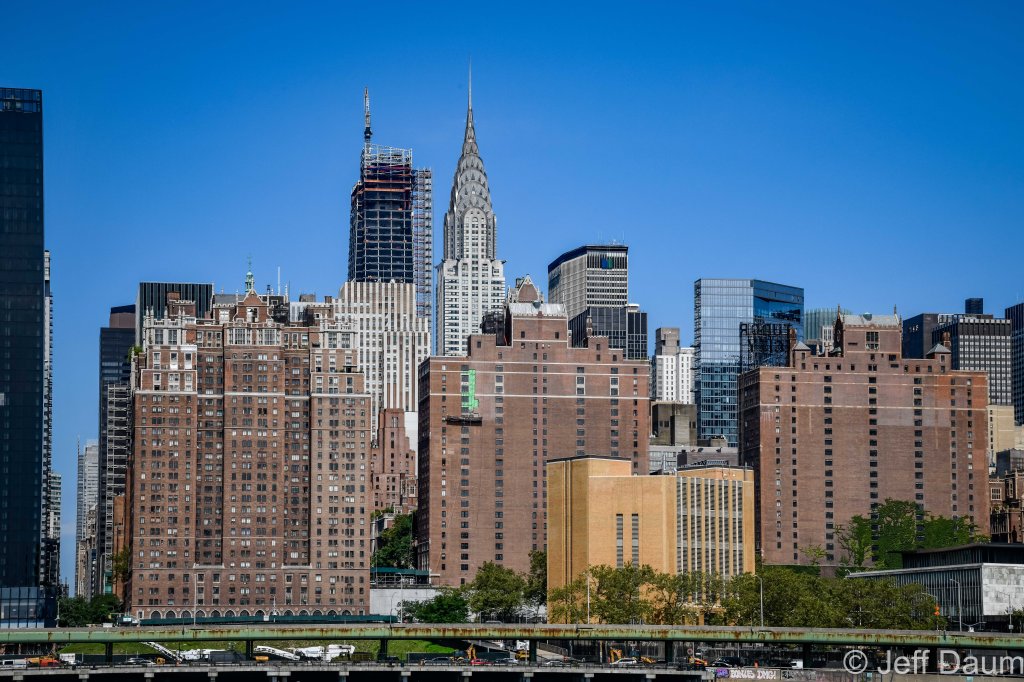
Having been born in NYC, and lived there for a number of years before moving to warmer climes, I enjoy returning and experiencing the ever changing cityscape. The following is from my most recent visit. I hope you enjoy and look forward to your comments in the reply section below.
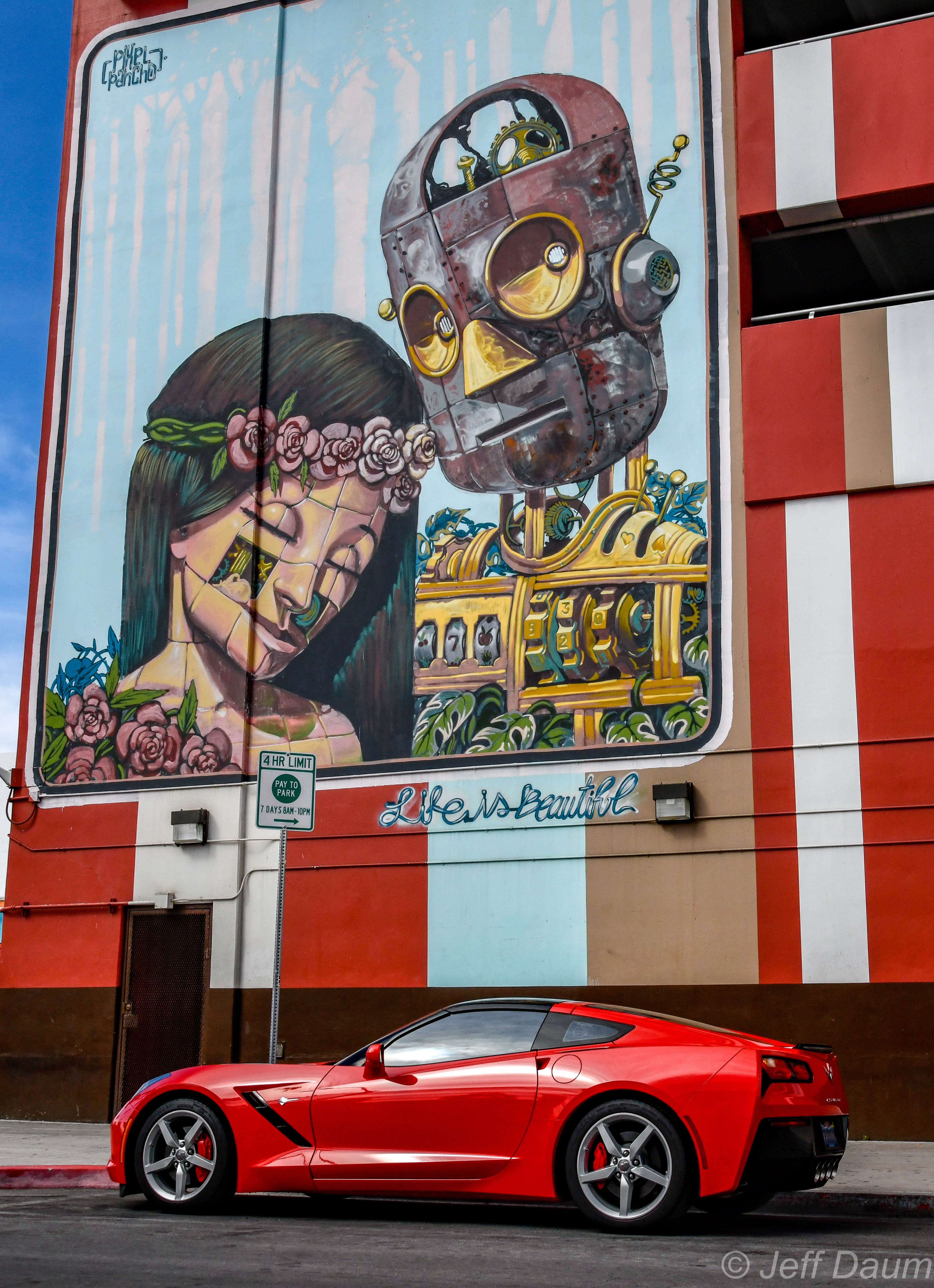
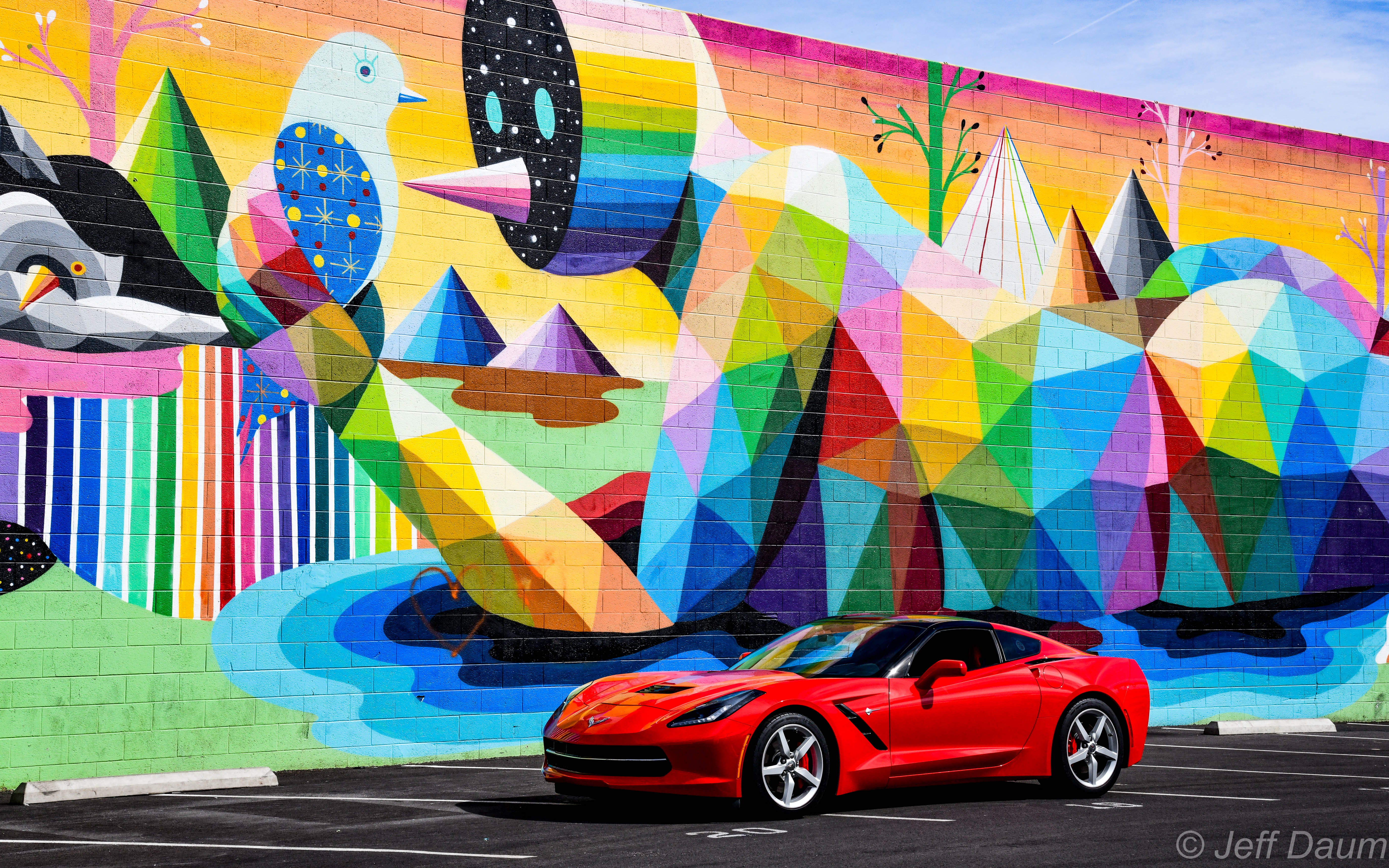
One of the shoots I enjoy doing is finding things that are ‘right before our eyes’ but we don’t always take the time to notice. Wall art, murals, sculptures and street art seem to fall into that category.
I set out looking for wall art and murals in what is considered Old Las Vegas. Included in the following unique creative images, is the iconic American Sports Car, the Stingray for a juxtaposition- rolling art vs fixed art.
Hope you enjoy.
True only in the ‘winter’ here, during the summer, the process is much faster.Summarizes both the mural and the car. Do you think they want a Stingray?Indeed.Shapely double entendreFast and fierce.
[Hold on there fellow gearheads, there may be some validity in this statement 😃 ]
By Jeff Daum, Ph.D., PPA Photojournalist, Technology & Product Analyst
Interview with Justin Rees (JR), Founder & CEO Ride Systems, Kelly Rees (KR), President Ride Systems, and Ilya Rekhter (IR), CEO DoubleMap.
Backstory:
Ride Systems and DoubleMap had just merged at the time of this interview,
bringing together two companies with a proven track record of providing safe,
fact-based real-time information on transportation alternatives for getting
from point A to point B. This includes
public transit and on-demand (Uber, Lyft etc.) transit. The combined data bases comprise public
transit riders, corporations (employee vans), airports, universities and
hotels. While now operating under one
holding company, both will maintain their respective brick and mortar
headquarters. Both companies have a free
app (Ride Systems and DoubleMap GPS) allowing the user to see alternatives
available to get from A to B either entirely on one service or in combination,
along with real-time indication of when the option will be at a specific
location.
(left to right) Ilya Rekhter, Kelley Rees, Justin Rees
JDLet’s start with a statement by you Justin: “Our services offer a quantum leap forward enabling everybody to say good-bye to privately owned cars soon.” Would you please put that in perspective?
JR Timing is everything, millennials are delaying the purchases of
large items, cars and houses for example.
They also want to live in big urban areas. So, they are already forgoing owning multiple
cars or even any car, for more liberating options. The other side of that is that you are seeing
even the automakers get into the services business. They want to be mobility companies. As you saw at CES, big companies are
investing heavily in autonomous cars, sensors, and smart cities. Those
companies are trying to shift from being a commodity producing company into service
and mobility sector.
So, you are seeing transportation
sharing options greatly increasing and providing short, medium and long-range
alternatives, from scooters to ride share, to on demand to public transit.
IR To piggy back on what Justin is saying, it starts with that
family that has one car and thinking about buying a second car, the easier we
can make it for them to ride public transit and not need to buy the second car,
the more it will continue trending that way.
Then you take it and make it more personalized with more options
including public transit, and combine in one place, and easy to use app, those
options to get from point A to point B and more and more people will use it.
JR So why do people hesitate to use the other modes of
transportation? It’s the lack of confidence in public transit, for example,
where is it? Will it ever get here? How
long do I have to wait? All those
questions prevent people from feeling comfortable in using public transit. You have to have confidence in it to want to
use it. Same thing is true for other
alternatives, such as scooters or bikes, on demand cars- you gain confidence if
you know where it is and how long you have to wait for it.
Having the information available
to them is where we come in. We own the
data in that middle market, we are in seven hundred plus locations. We provide real time information for public
transit and other modes of transportation.
Big cities, small cities, corporations, medical centers, universities. As a result, we have scooter companies, car
sharing companies and automotive companies come to us and say since you are
already in all of these places if we team up, instead of launching in just a
few select places, we can deploy on a large scale using your existing network
and contracts with the cities.
JD: Is your audience the same
for the public transit as it is for on demand rides?
IR For us it started with the transit riders, but now they can see
in the same app, a mesh network to get from point A to point B, an alternative
means to cover the distance from where they live to the bus, or from the bus to
their ultimate destination, or even not to take the bus at all but one of the
other options.
JDBut will the individual
who uses an Uber or Lyft, now decide because of your app, to use public
transit? What is the incentive?
IR Perhaps seeing there are clear options that can save money,
particularly if time isn’t critical. The
ride share companies are interested in being part of our app to get more
‘eyeballs’ to see their services. Also,
it depends on what a particular city has in terms of arrangements with
different ride share companies. If they
have agreements with for example, both Uber and Lyft, then both would be part
of our app for that city.
JDAre taxis favorable to
your app?
IR Using Dallas as an example, the city has brokered a deal with
Uber and Lyft, as well as the taxis.
That is a differentiation for our service, we don’t take a position pro
one service or another. The taxis in
Dallas have our software in their cars, so they can serve more as an on-demand
option.
JR The option comes down to the confidence, do I take a scooter to
get to the bus, take an Uber to get to the bus, or walk to the bus. Do I even want to take a bus, is there
another option to get downtown? They
will find all those options through our app.
We have the platform where all those options can be made available. It is all about options, giving the people
options to choose from, the freedom to choose how they want to do it. Of course, with your own car, you can hop in
it and go where and when you want, but you have the cost of the car, getting
there, garaging or parking it, etc. If
you don’t have a car, the perception has been that you don’t have freedom. We provide that freedom.
Of course, it will take some
time, but people are already doing it- the millennial crowd is already doing
it. We think people are anxious to find
a better way to get around. Traffic is
as bad as it has ever been, parking and the cost of owning a car is going up,
as is the related stress. These
technologies of making people comfortable to use alternative modes of
transportation will help alleviate a lot of that stress.
JDYou had mentioned the OEMs
are interested in it. Of course, they
are focused on the shift in buying habits and have started offering their own alternatives. You have Volvo, Lincoln and Cadillac offering
new types of quick leases, no obligation, easy swap from one model to another
and totally inclusive monthly payments covering the car, the insurance, maintenance
and swap potential. For example, Volvo I
think is $500 per month to virtually any qualified individual where they offer
the option. Is this in competition to
your service?
IR That is actually music to our ears, we don’t own any of our
vehicles except for our pending start of our Tesla X car share service fleet. The reasons the OEMs are starting these new
types of leases is because they want their cars on the road. We have the
advantage of offering the use of any of those vehicles as well. It will be a natural complement.
JDBut if you own a fleet,
won’t you be seen as pushing your cars vs other options?
IR I don’t think it is a question of one or the other, it is a
question of providing as many options as possible.
KR Let’s back up a do a little bit of background on the
company. That might help paint a picture
why it won’t be a big deal. For example,
some of our biggest clients are big corporations, closed campuses, etc. They are the perfect place to start the car
share aspect of our business, a specific program for a specific client.
IR For example, where a client may have a fleet of several hundred
vehicles and thousands of employees, they can use our app to create on demand
vs scheduled rides.
JR Another example, for a client in a big city, we are able to merge all different types of transportation modes (short, medium and long range) and make them available to their employees in one app. Instead of the client having to go to each of the services and try and negotiate and integrate, we do that for them. Cities are hard to get into on large scale because of the bid process and because cities have little incentive to share information with the specific companies in their area. Because of this we are already involved with a lot of these cities, we offer our clients and strategic partners that connection. That ranges from tracking buses and shuttles for commuters to launching new offerings to the communities members in the area like scooters and car share programs.
JDLet’s segue into details
on your app.
KR It is more than an app, it also includes hardware.
JR I look at it as three pillars- the first one is what we are
known for, our mobile application. It is
free. The second pillar is in the
vehicle. In buses, most are a step back
in time, with clickers for counting passengers, manually changing the route
sign, etc. We install hardware inside the bus that takes over all these
functions and frees up the driver to focus on safety and driving. The third pillar is that the hardware we
install integrates these functions on the bus and sends real time updates to
our servers where we do business intelligence. That is then reflected for
example, in our app, showing current position, time to next stop, etc., as well
as real time passenger load, a more efficient routing and use of buses.
IR It is really the analysis and use of that data for both the bus
(or car company) and user that is key.
For example, a user can look at passenger load and decide to take a
different bus, or if the next bus has a bike rack installed, or can pick up a
person in a wheelchair. While on the
bus, they can use the app to order a car to pick them up when they arrive.
We also have numerous
capabilities we can build into the onboard equipment, such as badge readers,
WiFi capabilities, etc.
JD Where are the buses that
you have this technology currently running?
JR For example, Reno, University of Nevada, here in Las Vegas, Arrow Stage Lines, a charter bus service, Houston, Tulsa, really in all 50 states., Guam, Mexico and Australia. We haven’t done a lot of press so it isn’t well known, but we are the single largest provider of this type of technology across the world. Our service sounds like an app, but it is like the tip of an iceberg in terms of the full range of services we provide.
JDWould you talk a bit about
your new roles now as a merged organization of your two companies?
JR Merging makes a lot of sense from a business perspective. We have been fairly selfless in figuring out
what will be best for our employees in both companies, our clients, and how to
not disrupt everything. I will be the
CEO, Ilya has the same abilities but he also is one of the best guys when it
comes to strategies, and numbers and sales and will be President, so that will
be his focus, Peter (SerVass) is always about 10 steps ahead of us in looking
into the future, he worked very hard on this merger, and will be the
strategist. Kelly, her focus will be in
marketing and press.
IR We are fortunate in that both companies have very capable and
strong individuals. Culture has been very important to us. We have both been self-funded and
profitable. This year we are projecting
to be an 18 to 19 million dollars revenue company. Basically, blending what DoubleMap and Ride
Systems has done really well and making one big win.
JDDo you think you will stay
self-funded?
JR We are doing great the way that we are, but if the right
opportunity comes along, we won’t turn it down, but we are confident in our
ability to do this. This merger enables
us to take a risk and really grow the businesses to the next level.
IR The key is that both companies came in with clean balance sheets
and profitable. We have the funding to
grow organically.
JR So we are open to the option, we don’t want to restrict our
growth if the issue is capital.
JDIn summary, what would you
like to emphasize?
JR Well, we are the largest real time transit information company
in the world, no one has as many and as much variety of clients in as many
locations as we do.
IR To our existing clients, it is important to know, there is no
turnover. We are taking the best from
both companies and combining it.
JDYou handle a lot of data
obviously, what type of security and back up do you have?
JR That’s a really great question. A big and important topic for
people. We have secure data centers, AWS
with Amazon Web Services, IBM secure data centers, all sorts of redundancy and
backups. We take security around
personal information very seriously.
JDAnything else you would
like to add?
JR We are just thrilled to make this merger finally happen and
excited for what it means for the people of our two companies, and for our
clients and future clients. The sky is
the limit.
IR We are both proverbial garage startups. To grow it to this, we couldn’t be
happier. We are going to keep the two
(apps) brands independent, but integrate across them as appropriate.
KR Looping back to where you opened this, needing to own a car
versus wanting to own a car are two different things. The automotive enthusiast, the hobbyist, the
love of driving is different from having to commute from A to B. As the information (transit options) is out
there, we believe more and more people will be giving up their cars.
JDIt
has been fascinating learning the details, and meeting all of you. Thank you
for taking the time and sharing your enthusiasm. Continued success!
Here is a pictorial of a young lady celebrating her birthday with friends, when they came upon the Pike Place Fish Market in Seattle. With some cajoling of her friends, she was encouraged to try and catch one of the flying salmons. This is her first attempt labelled “The one that got away“
Taking it all in good nature, she tried again and this time held on:


















 Insight - Daum Photography