by Jeff Daum, Ph.D., PPA Technology & Product Analyst
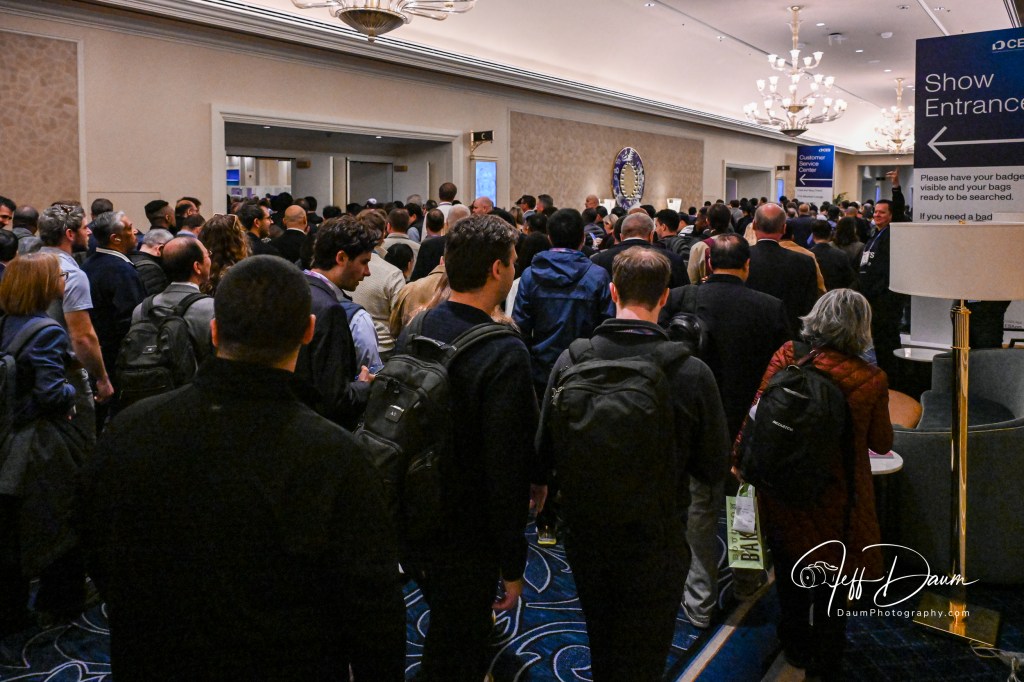
CES 2026 wrapped the end of last week. As the largest Consumer Electronics Show of its kind and the largest convention held in Las Vegas (at the LV Convention Center plus several of the Resorts), it tends to be both encompassing and overwhelming. [I averaged 12 to 13,000 steps each day with my equipment.] According to the Consumer Technology Association (who runs CES) there were 148K+ attendees, 4100+ exhibitors and 6900+ media and industry analysts this year.
Not surprisingly, AI was incorporated into just about every imaginable application (whether it was needed, added true value or not) from clothing, shoes, bracelets and rings that tracked multiple health indicators, to vehicle components (attention tracking, HVAC, accident avoidance, etc.), drone flight control, cleaning robots (house floors, windows, pools), kitchen and laundry appliances, surveillance systems, pet liter boxes, and the smart home.
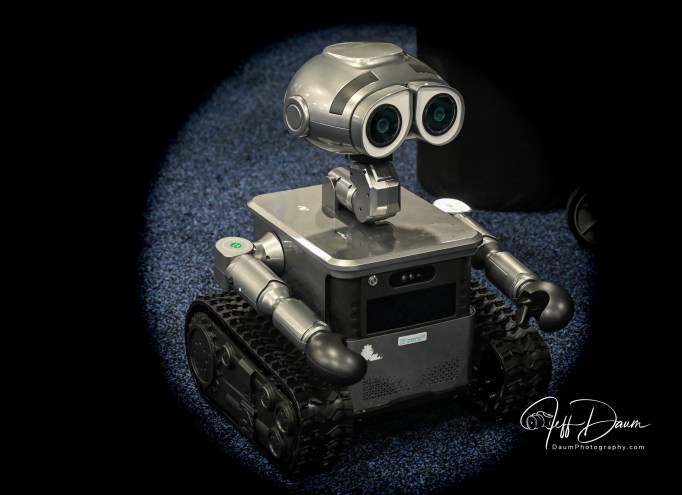
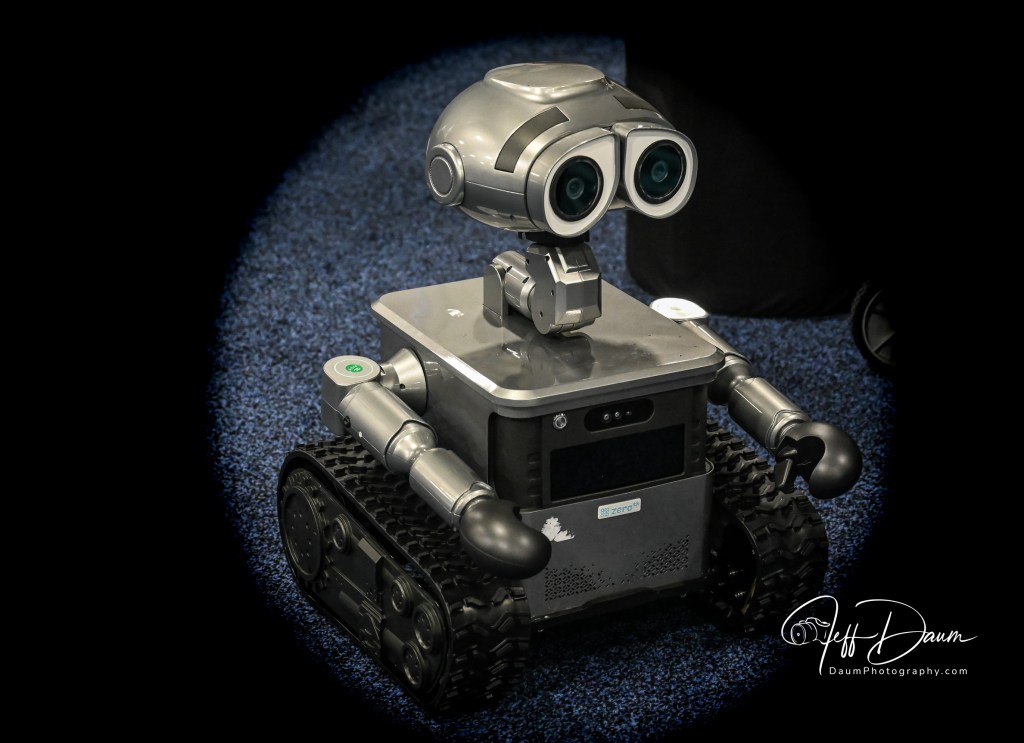
Everything that is electronic can be found at CES from supersized TVs, to cooking/food preparation appliances, to solar systems, power walls and generators, to vehicles of all sizes and shapes (giant John Deere harvester, fire trucks, regular cars, prototype cars, flying cars), powered wheel chairs, workout equipment, to cell phones and accessories, speakers to ear buds, toilets and faucets, and robots of every type and size.
CES is not open to the public, only manufacturers, buyers, sellers, investors, and the press. The first couple of days are restricted to the press and an opportunity to preview the ‘latest and greatest’ new technology of the show, along with many Keynote and PR presentations (like the impressive one by Nvidia’s CEO Jensen Huang). This is followed by four days of the exhibits being open across all the venues.
In addition to major players (LG, Samsung, Bosch, Nvidia, Amazon, etc.) there are many very small, often start-up companies there. It is usual to see, for example, an item by a known manufacturer like LG and BeatBot (pool robots) and then half a dozen or more unknown companies displaying very similar looking products with similar performance claims but sometimes of dubious quality. Products displayed range from actual production units to beta versions or even mock-ups.
What I like about CES is not only the opportunity to see (and handle or interact with) the newest technology, but also the chance to talk directly with respective CEOs, innovators, and technical gurus.
It seemed like there were fewer vehicles this year compared to previous years, but more exhibitors displaying advances in specific vehicle components (like lidar, dash displays, audio, EV motors and batteries).
It is hard to pick THE one product or technology that truly impressed me, because of the scope of CES, but several standouts are:
All solid-state battery for vehicle applications by Donut Labs
Status Pro X ear buds with Knowles balanced armatures
SwipeVideo immersive video streaming technology that lets users seamlessly switch perspectives by swiping through unlimited camera angles
Qlay’s AI software that detects the use of AI to cheat on tests or in an interview
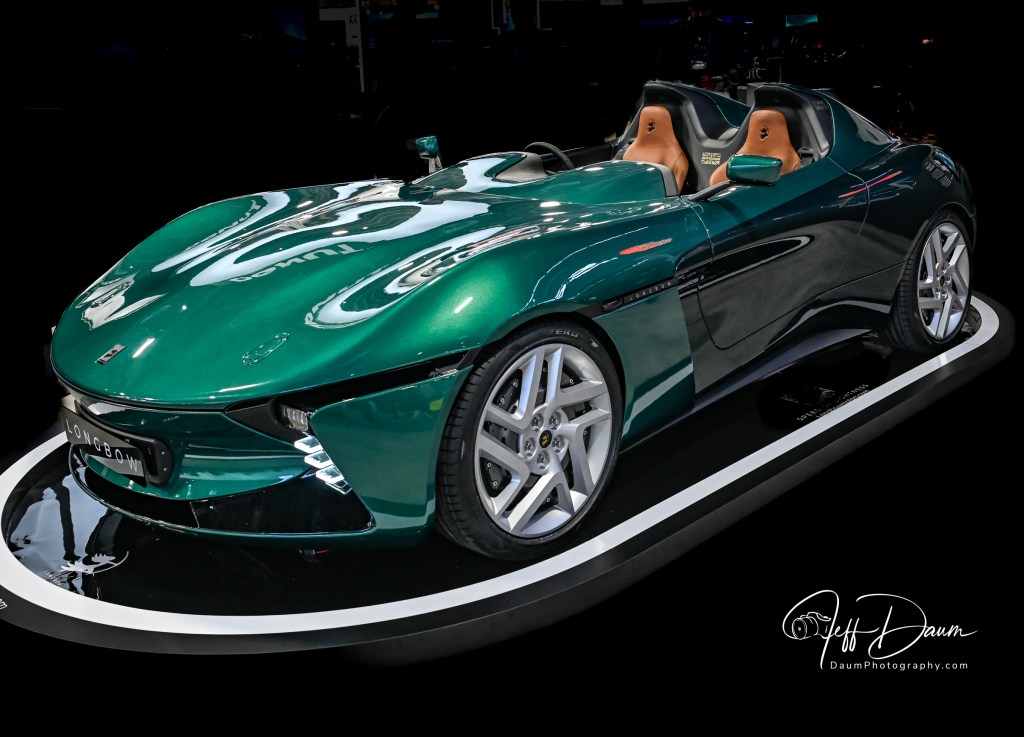
Longbow Speedster retro sports car built around cutting edge technology
Reolink’s use of AI to quickly sort through surveillance videos
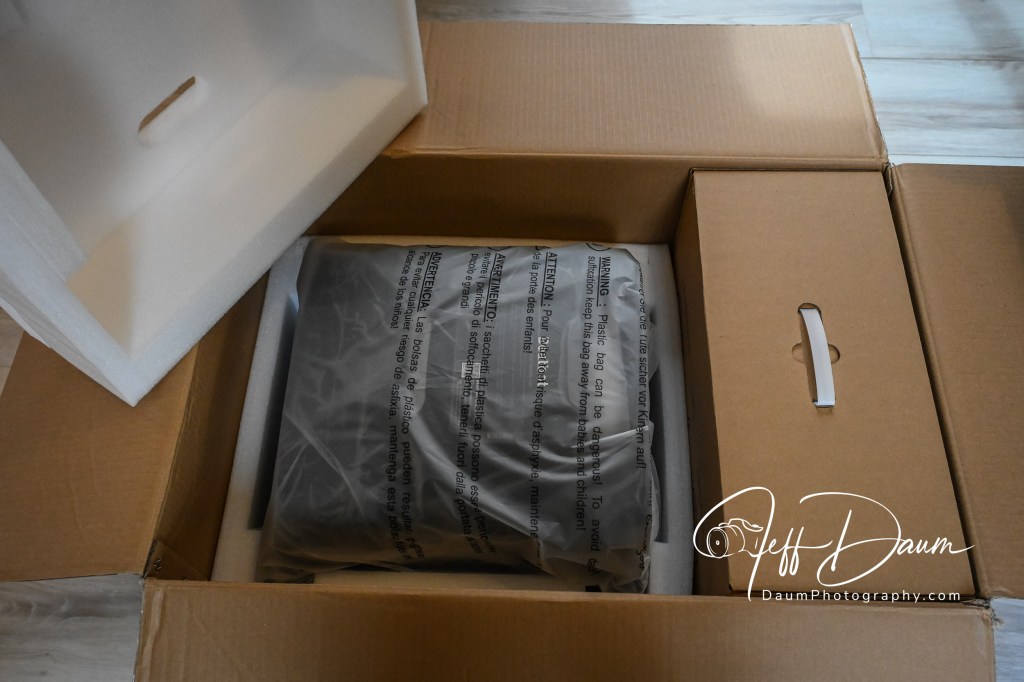
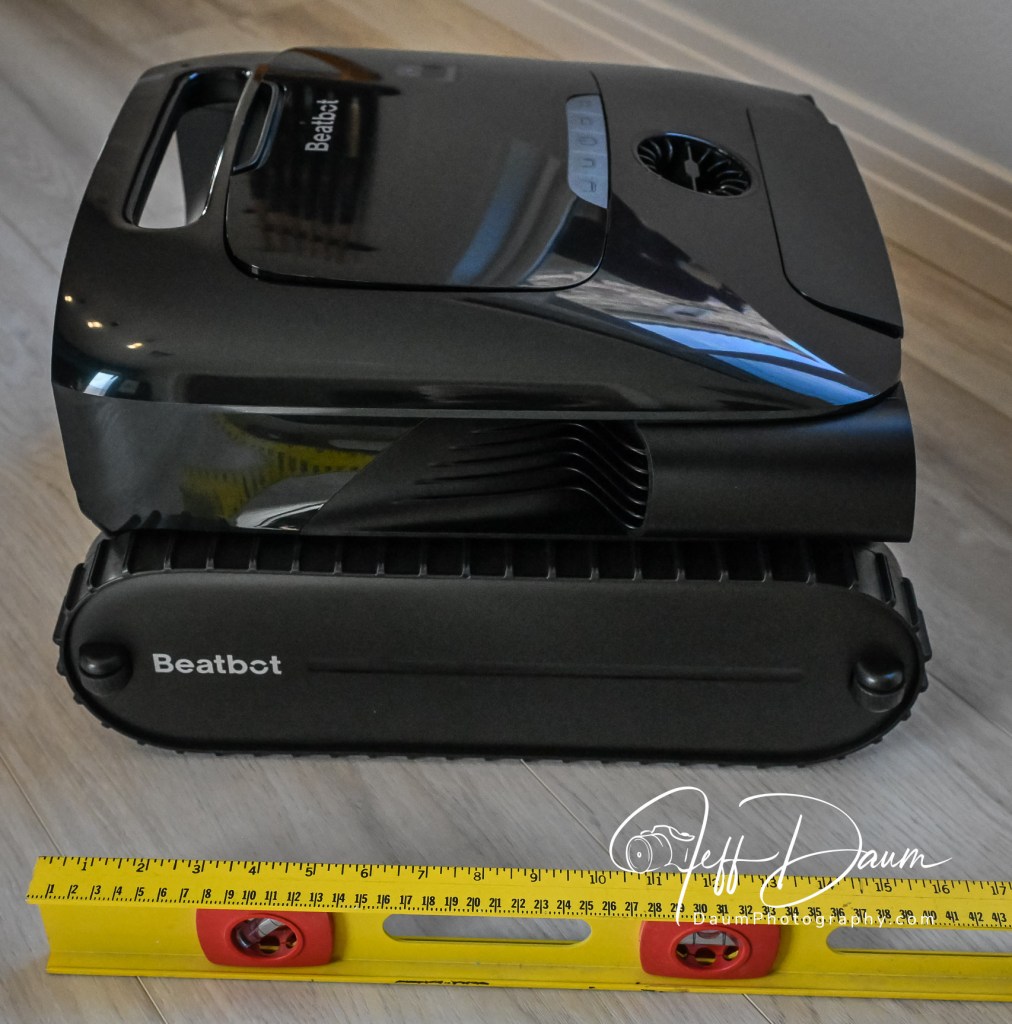
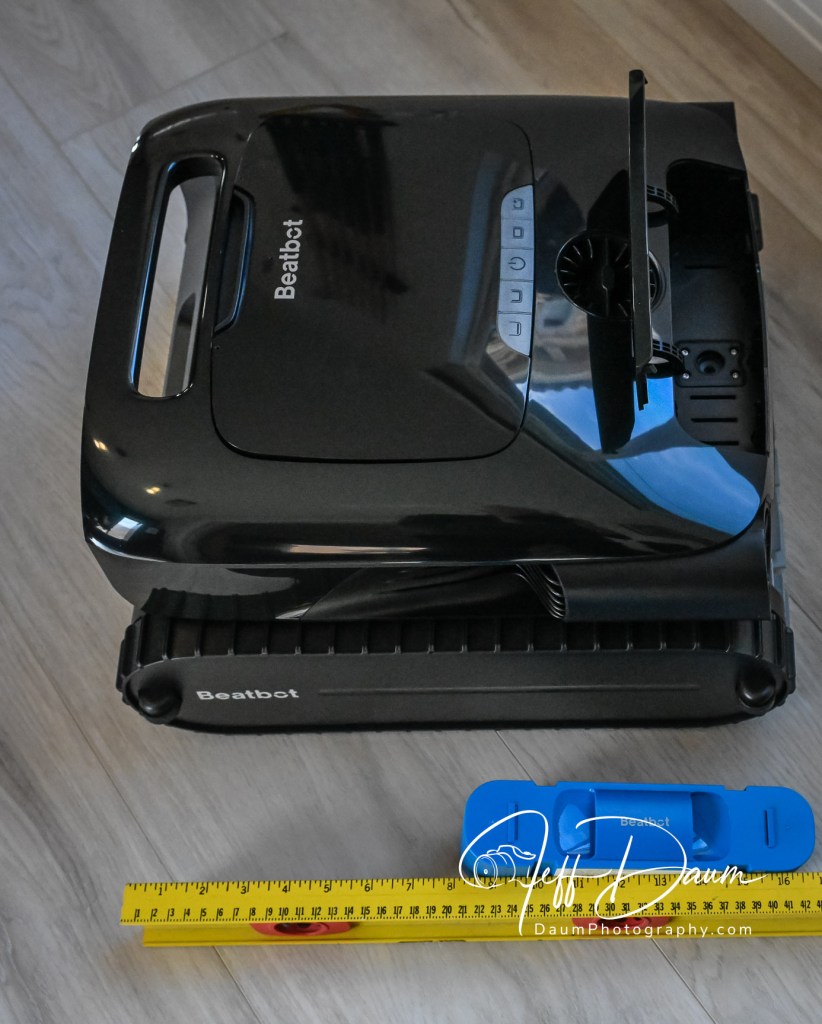
The Beatbot AquaSense 2 Pro Robotic Pool Cleaner arrives in a single large box, approximately 20 inches wide by 31 inches long by 14 inches high and weighing 41 pounds. [50.8 cm x 78.74 cm x 35.56 cm and 18.6 kg] It is very well packed and protected in the carton.
Everything you need to get started is included along with a very large Quick Start Guide sheet and the Owner’s Manual.
Set up is easy, simply assemble the charger base by sliding the two support legs on and plug it into a wall outlet. Then set the AquaSense 2 Pro onto the base and it automatically starts charging indicated by the blue ‘breathing’ light on the unit.
The first time you set it up, you also need to download the free Beatbot app and let it find your new Beatbot. This goes quickly through your WiFi (both 5G/2.4G) and Bluetooth on your smartphone.
Efficient Water Surface Cleaning with App Navigation Control
Smart Water Surface Parking & One-Touch App Retrieval
Full Coverage Path Optimization with 22 Sensors
Up to 11 Hours of Continuous Surface Cleaning
3-Year Warranty with Full Machine Replacement
Durable Automotive-Grade IMR Coating
It comes with a 13,400 mAh Lithium Ion built in battery capable of easily cleaning a 4000 square feet pool in a single charge. It is equipped with nine motors and generates 5500 gallons per hour of suction! It has a removable two-layer filter basket with a 3.7 liter capacity.
The AquaSense 2 Pro has a dry weight of approximately 25 pounds (11.34kg) and an automated feature that empties the water as you remove it from the pool.
It lists for US$2,499, though from time to time they offer a discount directly on their site.
Preliminary Field Test Results
The manual tells you to (1) turn off your pool (pop-up cleaner, water input from the pool pump) (2) remove any objects including people 😊 floating in the pool that can interfere with the multiple sensors, and (3) place the robot on a level surface by the pool for 5 seconds to allow it to calibrate. Then you are ready to ease it into your pool. It will turn itself on shortly after it senses the water and begins the cleaning process depending on the mode you selected.
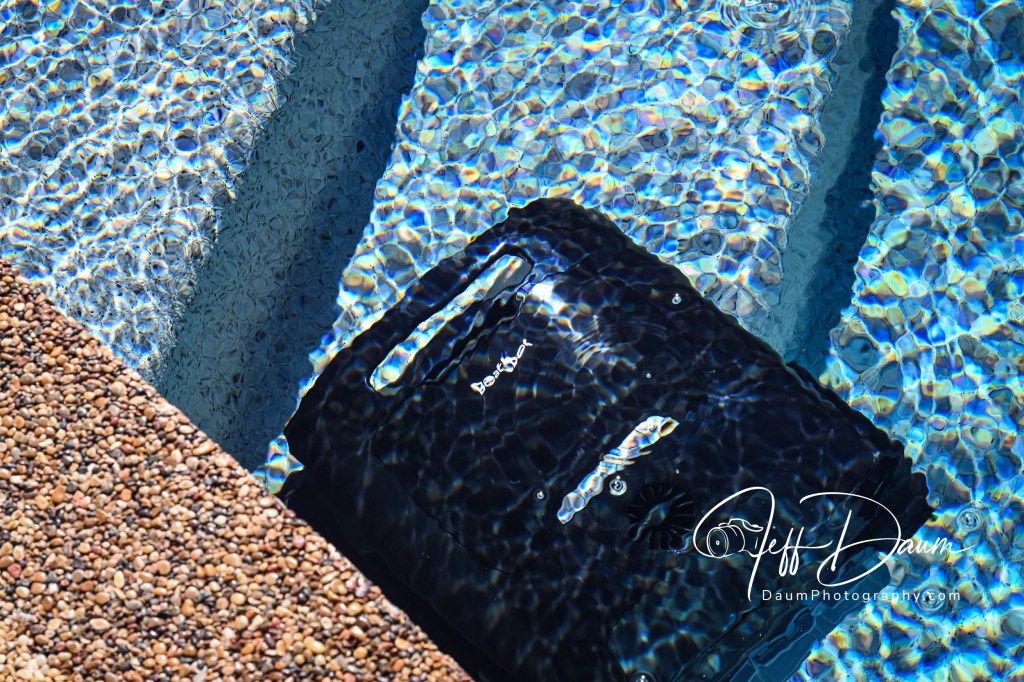
I set this unit up to use the Pro Mode. There are four cleaning modes you can select ranging from Floor Mode- cleans the pool floor once, Standard Mode- cleans the pool floor, walls and waterline one-time, Pro Mode- cleans the pool floor, walls, waterline and surface one time, and Custom Mode.
The testing was done in a pool I considered a challenge for it to clean: a 14,000-gallon salt water free-form pool with two sets of steps/landings and attached jetted hot tub. The pool depth varies from about 3 feet to 5 feet, the walls curve to the bottom and the waterline has several boulders that jut down into the water.
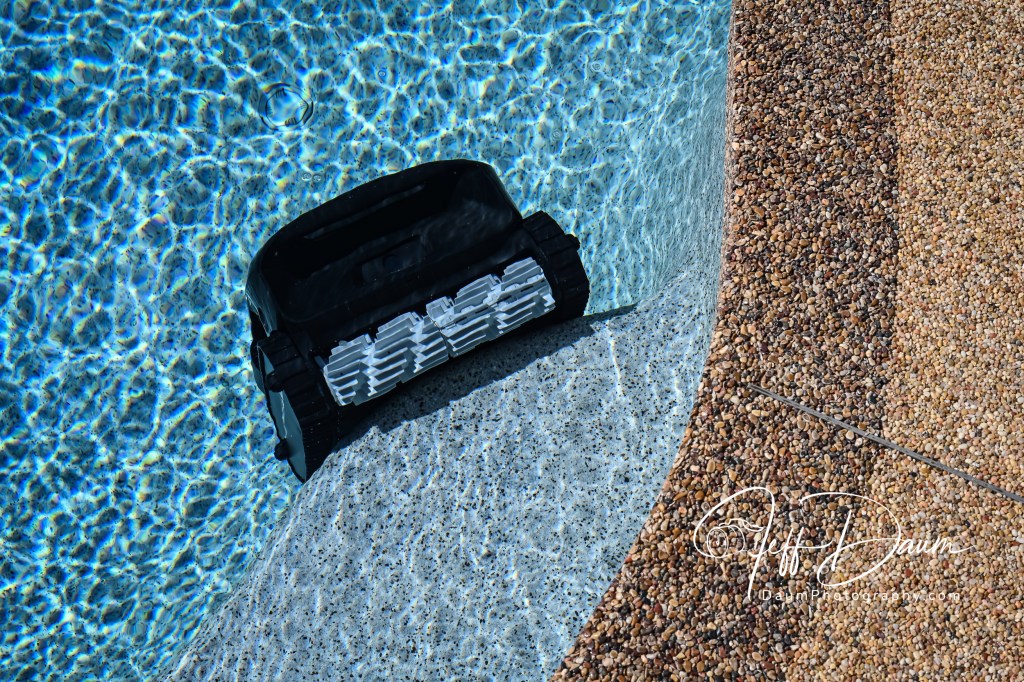
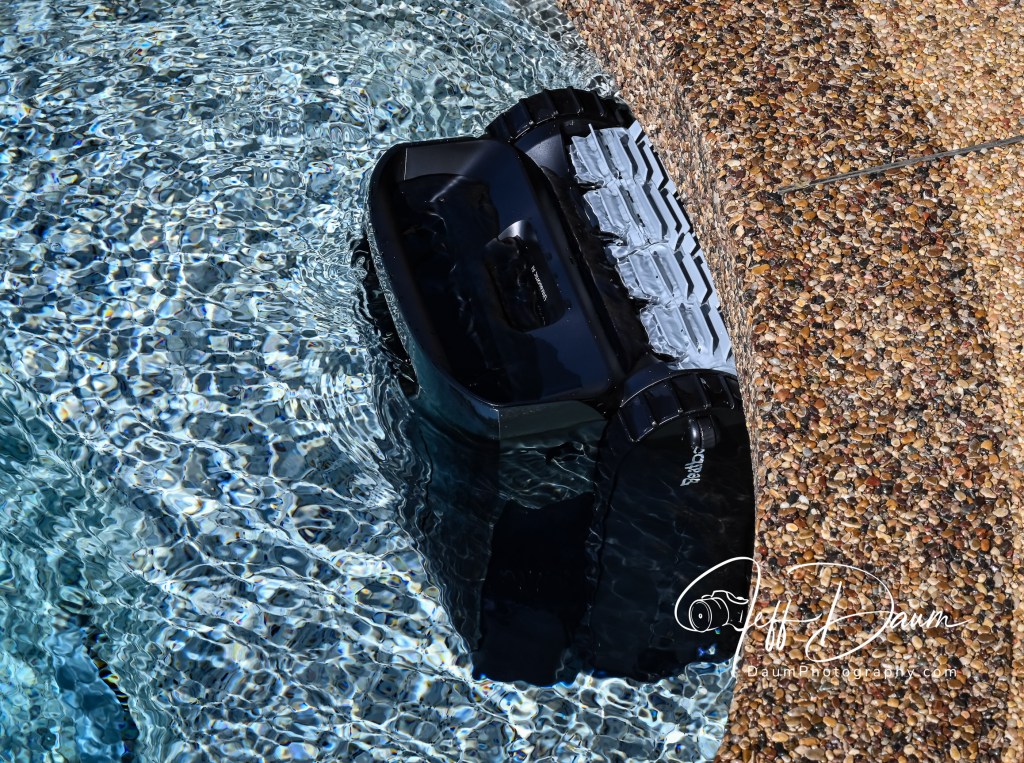
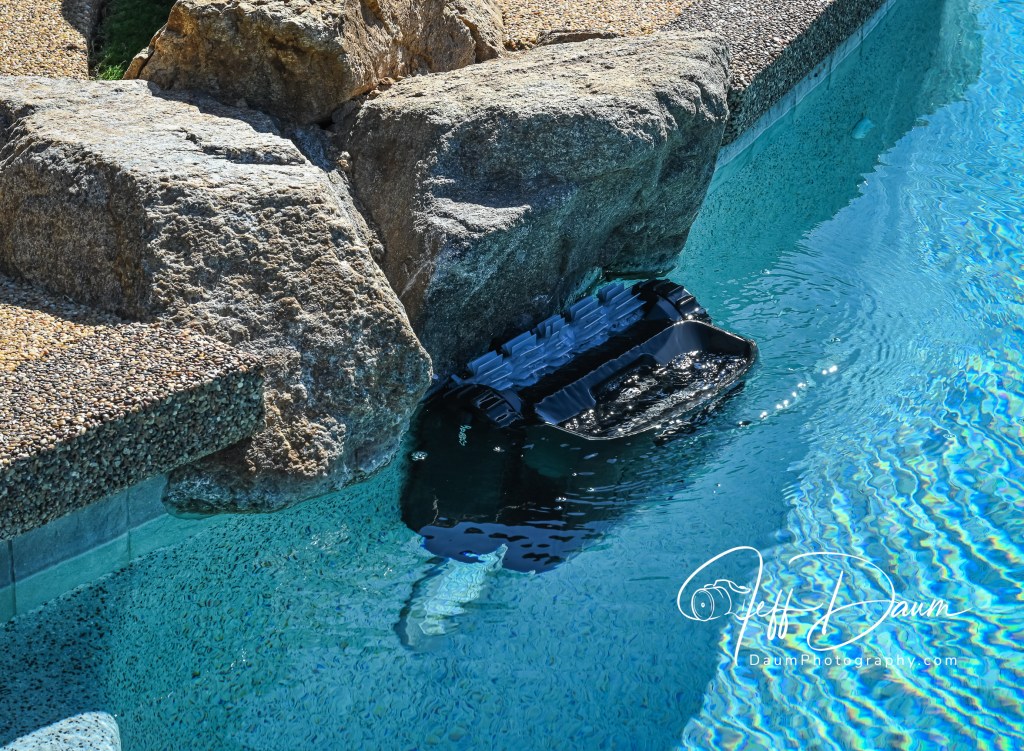
The AquaSense 2 Pro had no issue climbing the curved walls and even cleaning the bottom edge of the small boulders at several locations around my pool. It thoroughly cleaned the pool bottom of debris including fine sand and wind-blown dirt. It did a good job capturing leaves floating on the surface but had some problems with small lightweight flower petals. They would tend to get pushed away from the intake of the AquaSense 2 by its wake. Additionally, when the unit would back up or raise its front slightly, some of the captured petals would float back out.
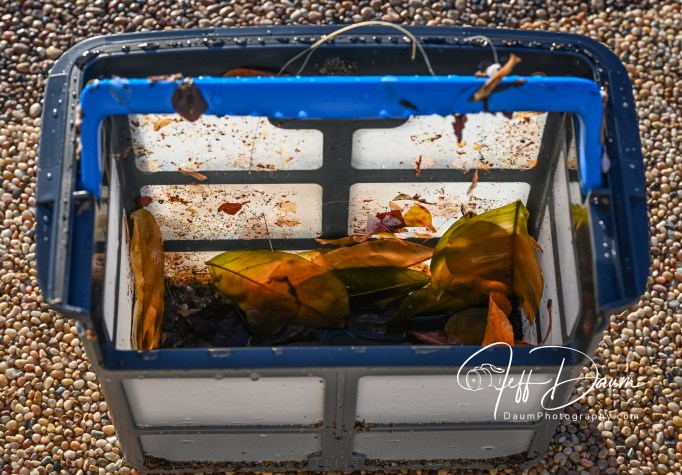
It captured leaves, dirt and even fine dust blown into the pool as seen in the AqualSense 2 Pro dual bins.
I also tried the new feature on the app to remotely control the Beatbot when it was on the surface. It was a trial-and-error learning process since the Owner Manual does not go into using this feature, nor does the app. The app has a dial with arrows at the 12, 3, 6 and 9 o’clock positions that control the direction. It also has two speed options along with a recall of the unit to dock at the edge of the pool. Unfortunately, I did not find you could accurately control the direction by fine movements, but it has possibilities that perhaps will be enhanced with future software updates.
Like the earlier version I tested, this Beatbot AquaSense 2 Pro truly automates the pool cleaning process and does an outstanding job. I did not find it significantly better than its predecessor the Beatbot AquaSense Pro, since both did excellent jobs in cleaning. The paint job on the AquaSense 2 Pro is nicer and in fact changes perceived color depending on the lighting. The app is improved as is the size of the battery over previous versions.
The ability to remotely control this unit is fun but not as practical as it should be. I anticipate that it will be improved with future software updates. I would also like to see a means other than using the hook, to bring the Beatbot back early if your plans change. I realize this isn’t practical using WiFi or Bluetooth underwater, but perhaps some sonic sensor could be incorporated to allow this. For example, slapping the water three times in rapid succession would trigger the Beatbot to return to the surface and edge of the pool.
To answer my leading question: I don’t think the Beatbot AquaSense 2 Pro is the paramount of pool robots. Perhaps the Beatbot AquaSense 2 Ultra will be. Stay tuned for my upcoming review of that!
Thanks for visiting and reading. If you have a question or like to comment, please feel free to enter it below!
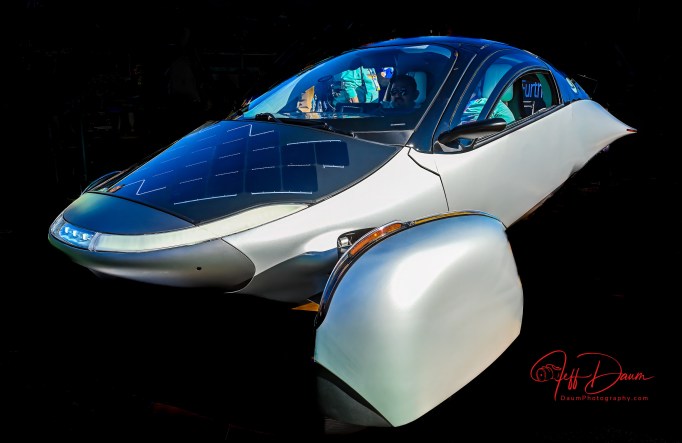
This is an initial look at the Aptera all electric solar vehicle presented at the 2025 CES (Consumer Electronics Show) in Las Vegas, Nevada.
Let me begin with a full transparency statement: I was so impressed with the Aptera, its cutting-edge technology and dual CEO team direction and commitment, that I have placed and received confirmation of a pre-order future variant all-wheel drive Aptera.
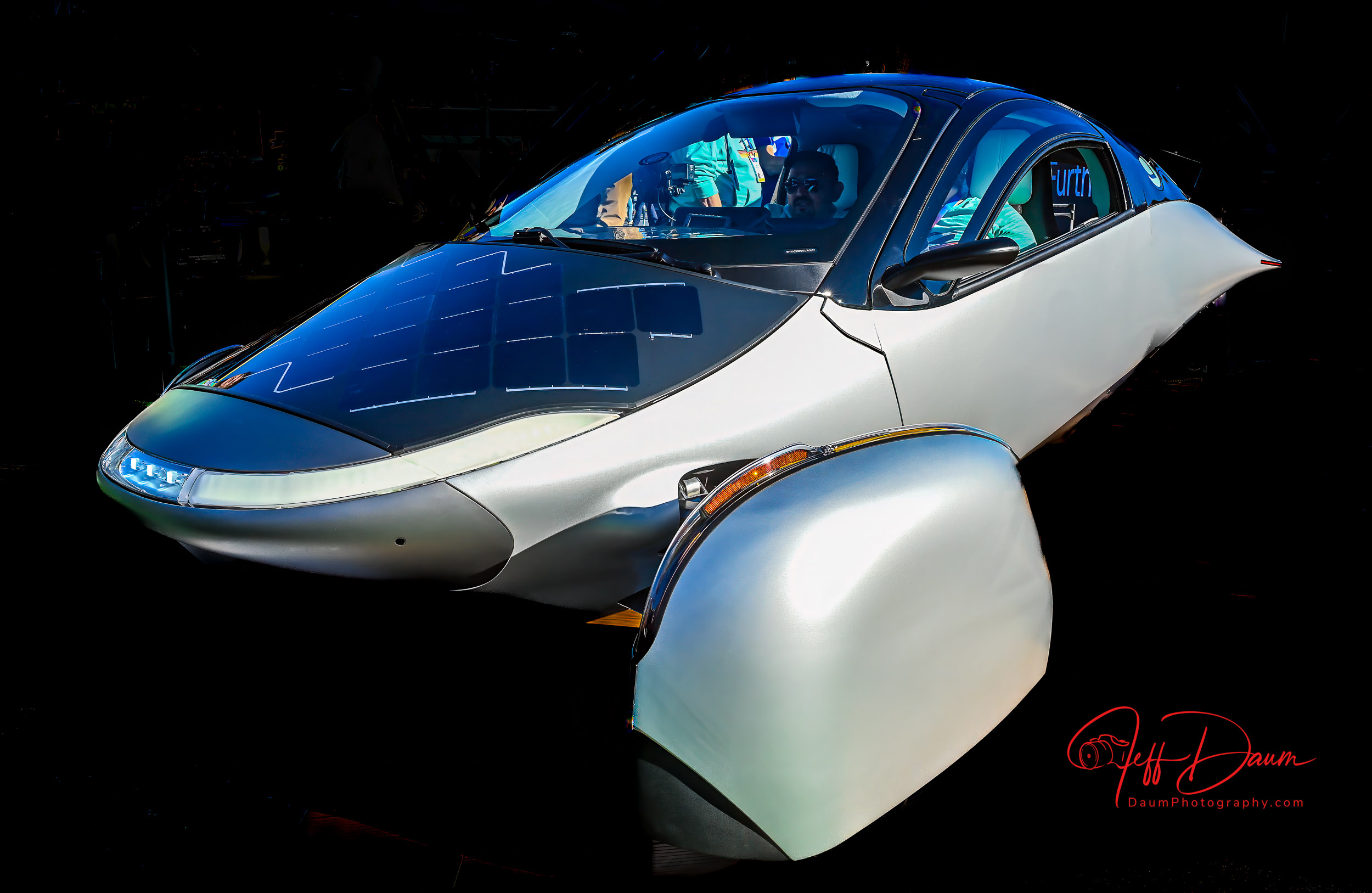
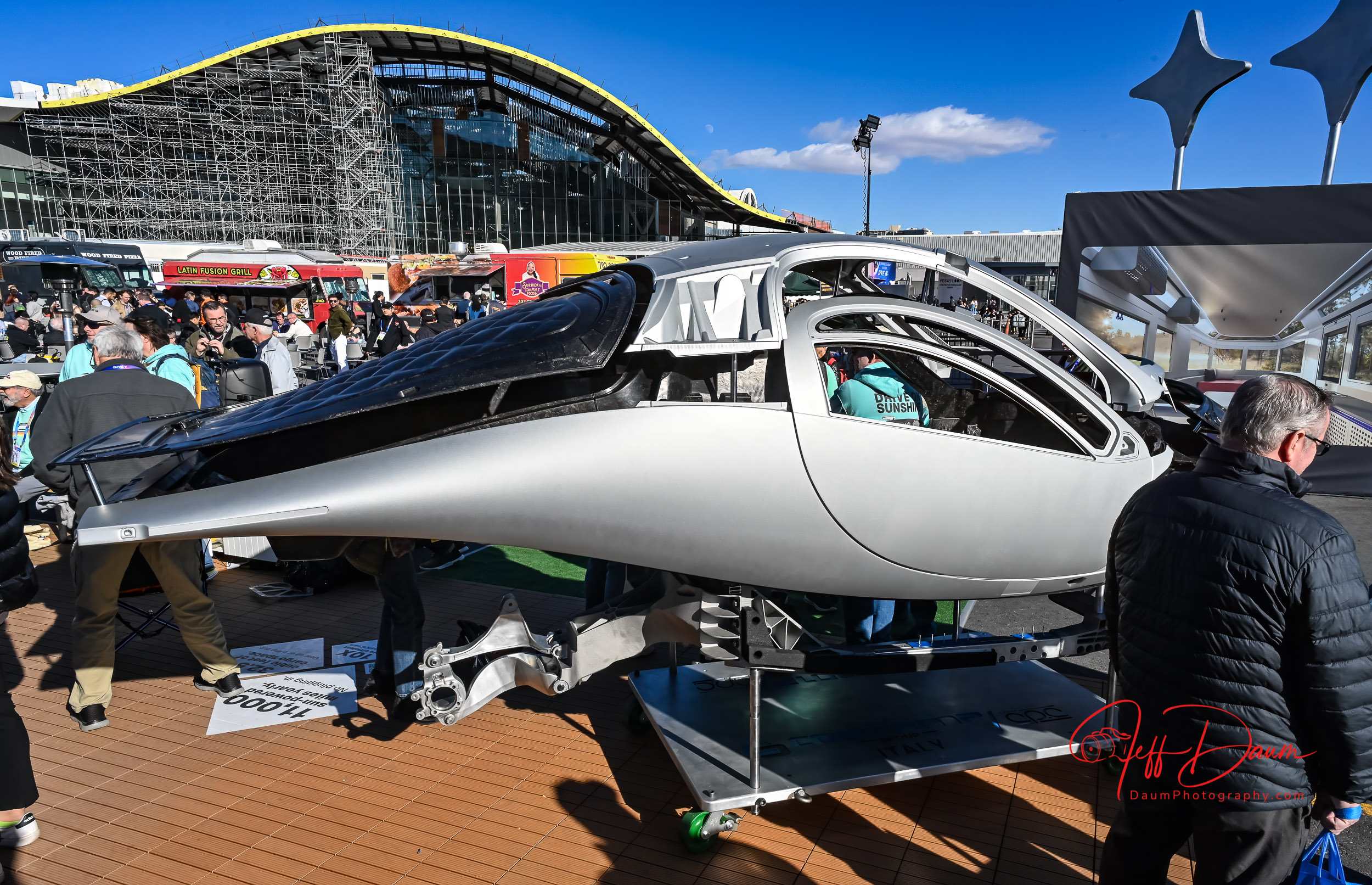
The first thing that you notice is its unique aerodynamic shape. In fact, because of this shape it has the lowest coefficient of drag of any road vehicle at approximately 0.15! The body was designed in concert with Pininfarina and is out of carbon fiber. It is manufactured in Italy and shipped to Aptera Motors facilities in Carlsbad, California.
Probably the next thing you will notice is that Aptera has two front wheels and one rear wheel- an autocycle. It is classified by the DMV as a motorcycle, specifically a Trike with full enclosure. This means that it is registered as a motorcycle but you will not need a motorcycle driver’s license nor need a helmet.
Like most sports cars, the interior includes side-by-side two passenger seating. It has all the normal accouterments: safety belts, frontal driver and passenger air bags, a steering wheel, accelerator and brake pedals, ac and heat, etc. In front of the steering wheel is a horizontal screen that continually shows full views of the right and left side of the Aptera virtually eliminating any blind spots. To the right of the steering wheel is the infotainment and information display. The electronic rearview mirror shows the unobstructed view behind the Aptera (from a camera on the roof). There is also a backup camera located adjacent to the license plate. The plate holder slides to the side, revealing the NACS charging receptor.
Aptera has bespoke solar cells on the hood, dash and roof capable of generating 700 watts of electricity. Each cell is incredibly thin, lightweight and glass covered yet capable of being bent to conform to the respective body shape. According to their website details, an individual cell could be cracked yet continue to generate power because of its unique wiring.
While I was at CES, one of the two Production Intent Vehicles was driven for 25 miles on the streets around Las Vegas. The solar cells generated and put back into the batteries the equivalent of 29 miles of electricity! Wait, what? Yes, it generated more power than it used. Of course it can be plugged in to recharge its batteries. Plugging into a regular 110-volt outlet will put approximately 150 miles of energy into the batteries overnight. It can also use Level 2 chargers which will put approximately 60 miles of energy into the batteries per hour or a DC fast charger can put approximately 500 miles of energy into the batteries in an hour. The Aptera recharges in about one fourth of the time of other EVs.
According to Aptera’s website, “the Launch Edition uses 21700 NMC 811 cylindrical lithium-ion cells, known for their high energy density and long life. The 44 kWh battery pack contains 2,304 cells, delivering 400 miles of range.” [ https://aptera.us/article/what-batteries-are-inside-aptera/ ]
I had the pleasure of talking with Chris Anthony, Founder and CEO Aptera Motors.
Chris image courtesy of Aptera
Chris’ partner, Steve Fabro, also carries the title of Founder and CEO.
Steve, image courtesy of Aptera
I started off asking Chris about Aptera’s design elements to ensure safety, Here are highlights from this interview:
Regarding Aptera’s safety: Able to do things with carbon fiber that steel and aluminum vehicles can’t do. Able to add protection such as great frontal impact strategies, offset frontal, side impact. Crash energy is diverted from the passenger area downwards to the well protected battery and frame. Aptera has front and rear crumple zones. Aptera has front and rear crumple zones and a carbon fiber roll bar.
Suspension dynamics: even though it is a three-wheel vehicle, because the heavy battery is mounted so low, it has almost the exact same suspension dynamics as a VW Golf.
Done lots of track testing and skid pad stuff, curb strike angles at forty-five miles per hour, pothole tests every which way you can think of with the vehicle, and because the battery weight is so low it is extremely stable.
We will be running Crash Tests shortly.
It has better ground clearance than a Honda Civic with six inches to the belly and five and one-quarter inches to the wheel pans, and ingress and egress a couple of degrees better than the Honda Civic.
Regarding stability, especially with the large area by the rear wheel, it has a low-profile mid-section. We have simulated cross winds up to 115 mph and it performs better than other vehicles because flat sided vehicles are much more susceptible to the winds. There is no float created because it is basically a downforce vehicle that creates a bit of downforce, though we attempted to keep it as neutral as possible.
The tires are 195-55 R16 low rolling resistance, specially formulated for them by Hankook Tires.
The ABS and airbags (passenger and driver frontal airbags) are currently undergoing calibration.
It has DC Fast Charge, Level 2 and regular 110 outlet capability. The 110-volt outlet will provide 150 miles charge overnight. The Aptera uses one quarter the energy of the average EV, meaning we charge four times faster. A DC Fast Charger will put 500 miles an hour into it, a Level 2 will put 60 miles per hour and a regular outlet will put 13 miles an hour into it.
Currently we have more than 50,000 preorders from across 115 countries, had the largest Crowd Funding in the industry with 20,000 individual investors, and now working on an IPO and hope to have production vehicles in people’s hands by the end of the year.
No dealerships, but have distribution centers around the world, and working with some Tribal communities in states that don’t like the lack of dealerships similar to what Tesla does.
In sum, the Aptiva is much more akin to a formula one car than anything else on the road. It is the penultimate in aerodynamic efficiency and has a carbon fiber chassis through and through. It is an interesting mix to try an be the most efficient vehicle in the world but also have really extreme performance, when you look at the how the vehicle is constructed and how we achieve 100-watt hours per mile and still keep safety paramount, and get all the solar power out of it we need. The Aptera is the most efficient vehicle in the world but still sporty and very nimble.
the core of our design is a safety cell crafted from Carbon Fiber Sheet Molding Compound (CF-SMC), which is both ultra-lightweight and stronger than steel, paired with metallic subframes that absorb impact energy.
Aptera’s body features a specialized composite structure known as Body in Carbon (BinC), primarily constructed from Carbon Fiber Sheet Molding Compound (CF-SMC) and Glass Sheet Molding Compound (SMC). CF-SMC is a lightweight material that utilizes a random arrangement of short fibers, allowing for the creation of intricately shaped parts with significantly higher stiffness and strength compared to standard SMC.
Aptera features an unequal-length dual wishbone suspension in the front and a double trailing link suspension in the rear. This advanced suspension system provides a balanced combination of stability, control, and ride comfort, allowing for smooth handling across diverse terrains.
The largest single component is the carbon fiber tub.
Use of SMC side panels on the body that won’t dent when hit.
Front wheel covers rotate up to allow access to tire valve stem and rear tire has a small access hole for the same purpose.
At Aptera, we’re redefining the repair experience by making it accessible, straightforward, and affordable. Whether you’re repairing your vehicle yourself or working with a local shop, Aptera will provide detailed documentation and make spare parts easy to order. Unlike typical processes where maintenance information and parts access can be limited, we believe in empowering owners with everything they need to keep their vehicles in top condition.
The Launch Edition’s dimensions are optimized for aerodynamics and stability. The vehicle measures 15 feet (4.56 m) in length, 7.3 feet (2.22 meters) in width, and stands 4.6 feet (1.4 meters) high, with a wheelbase of 9.2 feet (2.82 meters).
Aptera has integrated the Vitesco Technologies’ EMR3 drivetrain—a high-voltage axle drive that combines a permanent-magnet synchronous e-motor, inverter, and reducer in one compact unit.
Final thoughts:
I had a chance to sit in the Production Intent Aptera and found the seats very comfortable. The interior is airy with great outward visibility. The ‘double knock’ to open the door or trunk is a fun twist- there are no outside door handles. The trunk is quite spacious, easily carrying two regular golf bags or even, apparently, with the seats folded forward, room to lie down if you take the Aptera camping. There is also a small compartment under the regular rear floor that can be used to store charging cables or other supplies.
I am particularly impressed with Chris and Steve’s vision and approach. They are continually striving to use their own and their team’s knowledge, seek and use outstanding third party input and resources, and harness AI to refine the Aptera to be highly efficient, practical and fun. The use of Open-Source Software and Right To Repair sets the Aptera apart.
Of course, the ‘elephant in the room’ question, unanswered at this point is whether Aptera will make it where many others have failed. Their concept appears sound, the technology is there, Production Intent Vehicles validated, but the financial green light is still pending. According to Scooter Doll writing for electrek on Nov 5, 2024: “Last we heard, Aptera had raised over $135 million from over 17,000 investors, which the startup touted as the most successful crowdfunding raise in history. However, the company shared that it would need another $60 million in additional funding to begin low-volume SEV production, now slotted for late 2025.”
This is hopefully Part 1 of a multipart Aptera review. Stay tuned for Part 2: a factory visit and first drive…
Thanks for visiting and reading. What are your thoughts on the Aptera? If you have a question or comment, please feel free to enter it below!
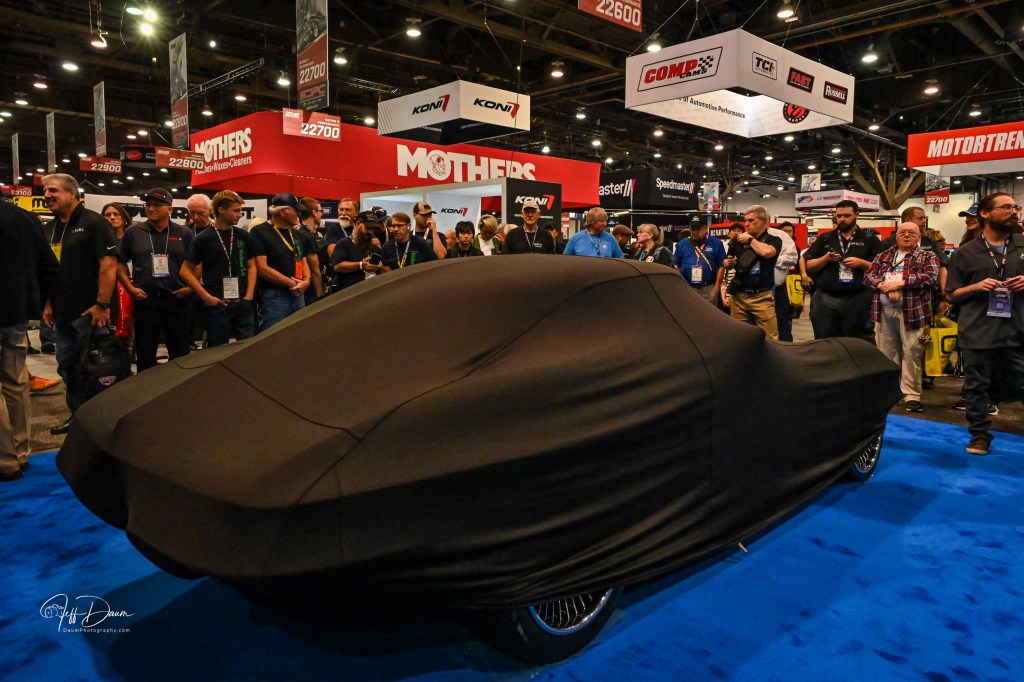
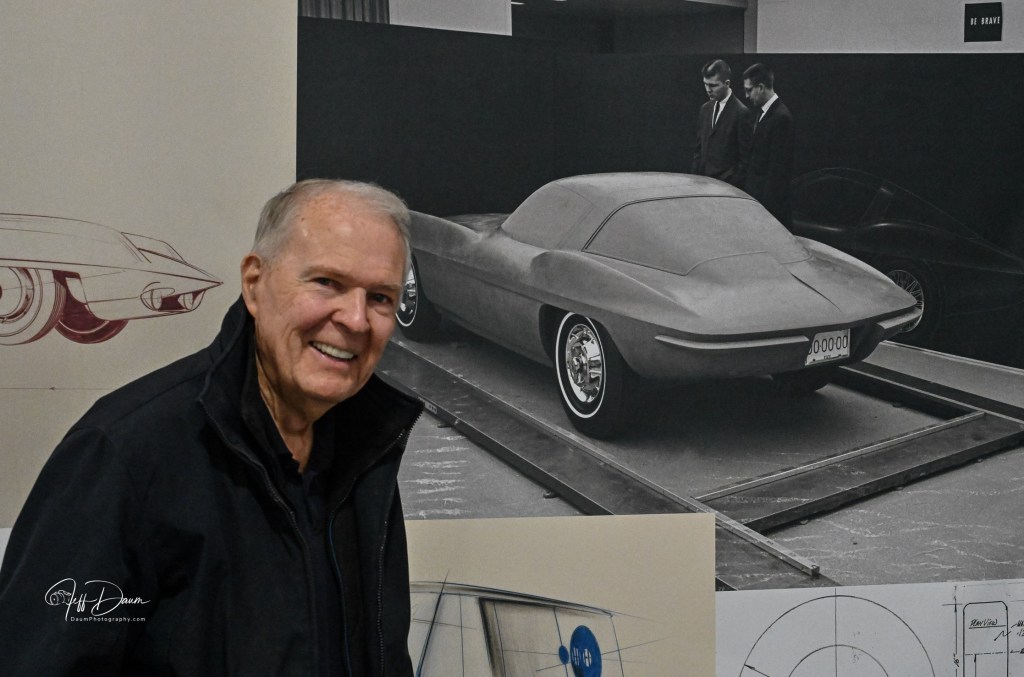
Sixty-seven years ago, Peter Brock penned the sketch that Bill Mitchell[2] chose to become one of the most iconic cars: the split window 1963 Corvette Sting Ray. At the time, Peter was the youngest designer at General Motors. He would go on to be a renown visionary and prolific designer with accolades and records for a broad range of his designs including the Datsun 510 Coupe, Cobra Daytona Coupe, Shelby-DeTomaso P70 and Aerovault trailer. But my focus here is on Peter’s latest achievement, the 2025 Sting Ray Studio Concept car[3] revealed at the 2024 SEMA[4] show in Las Vegas, Nevada.
At first glance when the cover was drawn back on the 2025 Sting Ray Studio Concept car at SEMA, the body looked very similar to a well preserved 1963 Sting Ray even though it was described as a resto-mod. Peter had done something other resto-mod builders of the C2 Sting Ray had not. He retained the original body shape and design, staying away from radical changes such as widening the body, adding bulging fenders, etc. More importantly Peter added back into the 2025 Sting Ray subtle details and changes to bring it closer to what he had originally designed.
Peter shared with me the back story on how, and why, this came to fruition. He made a conscious decision to change as little as possible in the body to retain the original form since it was well established as an automotive design icon. In the five years it took to take its design to being a production car in 1963, GM was primarily focused on making money so there were compromises made on which details went into the final car. In this 2025 Sting Ray Studio Concept car Peter wanted to restore some of those important details.
Peter worked with Mike Staveski and his company, Resto Mod Vette to build the 2025 Sting Ray. This is the second car that he did with Mike, but the first one that is designed fully to Peter’s specifications. Here are a few images of Peter at Mike’s shop making some of the modifications:
They began with a 1963 donor Sting Ray body. Mike decided on and sourced the modern drivetrain and chassis which included:
GM crate LS3 engine
Electronically raised and lower hood
Harrop fuel injection
Holley engine management
Dewitts radiator
4L60e transmission
PSC push button shifter
Ididit steering column with Sparc Industries Wheel
Dakota Digital gauges (with Peter’s signature)
Vintage Air AC
Art Morrison custom chassis
Cerakote frame
C7 front suspension with AME IRS, Ridetech Coilovers
Wilwood electric brakes
Additional Corvette parts from Corvette Pacifica
Additional parts from Atech Motorsports
Dynamat sound proofing
Custom glass from AM Hot Rod Auto Glass
Douglass Interiors Leather, Linen & Sage
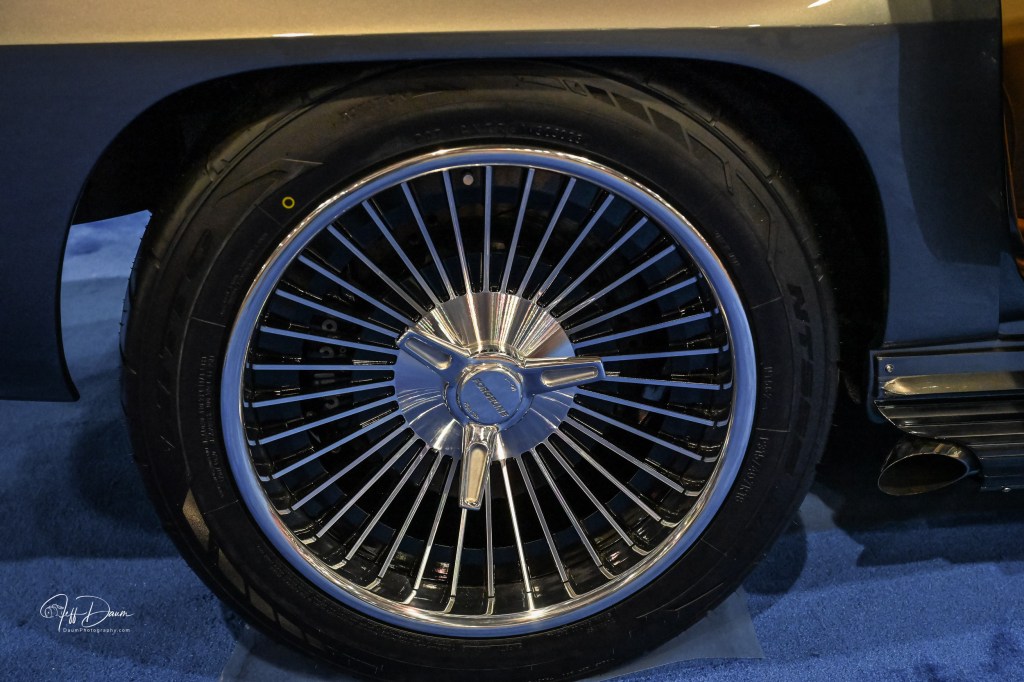
Forgeline 18 wheels
GM Hypersonic Gray paint
Peter designed and supervised the details he wanted to add back to the body. These included making all the vents and air scoops functional. Mitchell, at the time, wanted the nonfunctional vents because while it saved money by not making them real, it added perceived value to potential buyers as they viewed the car in the showroom.
[Note: clicking on an image in these mini galleries will bring it up to full size]
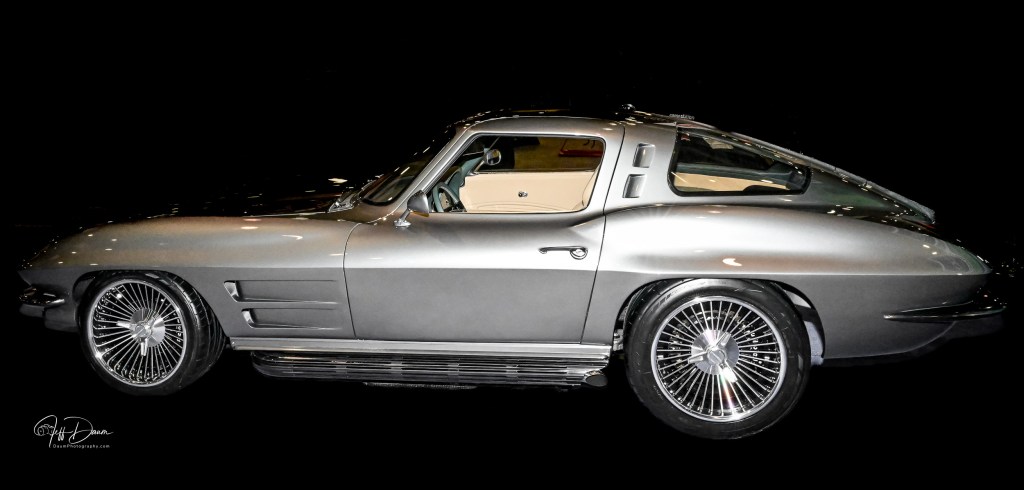
Another important change for Peter was to improve the interior visibility. Mitchell wanted a split rear window on the 1963 Sting Ray as homage to the Bugatti 57SC Atlantique, but that impacted the rearward visibility and Zora Arkus-Duntove[5] was really upset with Mitchell for mandating that. In Peter’s original sketch the glass was not split and went all the way down to the radius along the side. To improve this on the 2025 Sting Ray, Peter enlarged the area of each split window and eliminated the “B” pillar on the doors so that now the side windows are one continuous piece of glass. Together these changes result in better visibility from the inside of the Sting Ray and it feels more open. Complementing this, Peter used only the finest materials on the interior of the resto-mod. This is reflected in the new instrumentation, the top-grain leather on and around the dash, including around the air ducts. All that leather was hand stitched but resulted in a very high-end production finish.
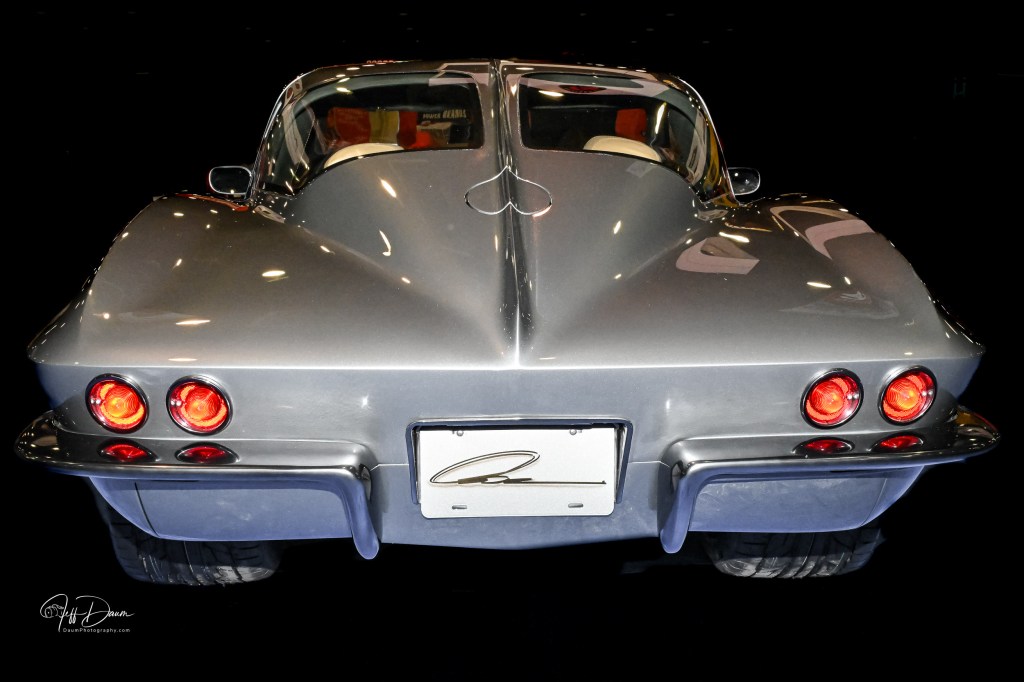
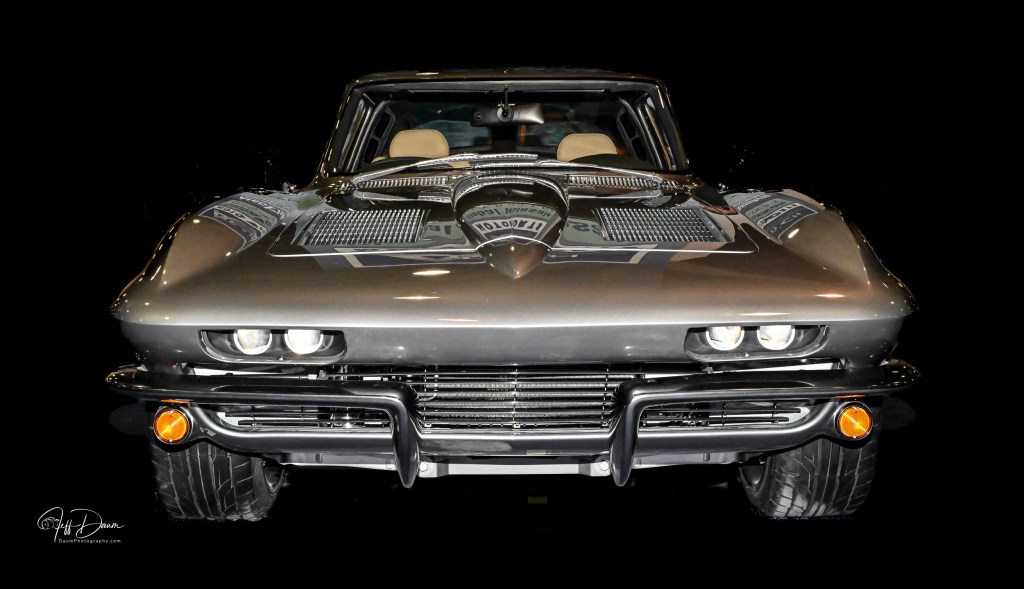
Continuing with detail changes on this 2025 Sting Ray, two more can be seen when looking at it from the back. In addition to the enlarged split windows, Peter brought the fin all the way down to the midline of the body through and including the gas filler door. The fin is also slightly raised paying more homage to the Bugatti Atlantique. A nice detail is that the gas cap can now be placed into a holder inside of the gas filler door when removing it. At the front of the car the headlights have been changed from the flip up 1963 approach to built-in LED quad headlights with halos. Most of the original bright work on the body, like the bumpers, was downplayed and changed to black chrome encouraging one’s eyes to focus more on the overall form. Peter also put his race-type mirrors on the doors, which work well with the flow of the body.
At one point in our interview, Peter mused that this is based on a sixty-seven-year-old design, saying “how does something last that long and still evoke such admiration and desire from people that see the car.” He went on to add “the impetus for the Sting Ray grew out of Mitchell going over to Italy and seeing all the streamlined cars and bringing back photographs of them for us to study. I do not think he knew whether we could design a car that would meet his expectations. But once he saw what we were turning out, his enthusiasm grew, and he kept coming back into the studio to see the progress we were making. We did not always agree on direction, for example, I wanted the nose lower and back end higher, but Mitchell was traditional and knew the drop away in the rear would sell, so that is what we went with.” With emotion, Peter added that he had a particularly good relationship with Mitchell, and that he was a great mentor. Tony Lapine and Larry Shinoda, veteran design specialists, took over the final version as the Sting Ray was getting ready to go into production. Peter had been moved to work with Harvey Earl.[6] He added that it would have been super to have Tony and Larry around to work with him on this 2025 Sting Ray. Since that was not possible, he wanted to make sure it stayed true to their original efforts.
Peter said Mike has a super crew who worked on this 2025 Sting Ray. It came out so well and has been so successful that Peter and Mike have decided to do a series of these cars. Mike told me (JD) he has sold three of these already. This one is headed to Barrett-Jackson’s Scottsdale auction. Craig Jackson, CEO Barrett-Jackson, was at the SEMA reveal and was very impressed with the car and intimated it may be his feature car at the auction. Based on the level of enthusiasm and interest, Peter and Mike think they may do a dozen or two of these cars. Each will be different in terms of paint, interior and finish, but the overall design details will remain the same, so it becomes a limited production that follows the Studio Concept. Mike already has plans for a Z06 version that will follow this same approach. I mentioned to Peter that notably missing on this first 2025 Sting Ray were some safety features such as shoulder (three-point lap) belts and air bags. Peter said he expects more enhancements to make it into upcoming versions, and that the seat belts in this one will be changed before Scottsdale.
It almost seems heretical to talk about cost when discussing the sheer beauty, art, and evolution of the 2025 Sting Ray, but I know some readers will ask me if I do not. Mike told me he has priced these Studio Concept models starting at USD 495k. Of course, Barrett-Jackson’s Scottsdale auction will provide a real-world test of the market value of Peter’s 2025 Sting Ray.
Lest you think Peter, at 88 years old, is now resting on his laurels, he took me into his studio to show me his new car project. Of course, it is sleek with some neat aerodynamic features, and he is very excited about it. However, that is all I can share now, details are currently embargoed but stay tuned.
Thanks for visiting and reading. If you have a question, please feel free to ask below!
[1] Primary sources for content were interviews with Peter Brock and Mike Staveski. Other sources included Peter’s book Corvette Sting Ray Genesis of an American Icon and Brock Racing Enterprises publications.
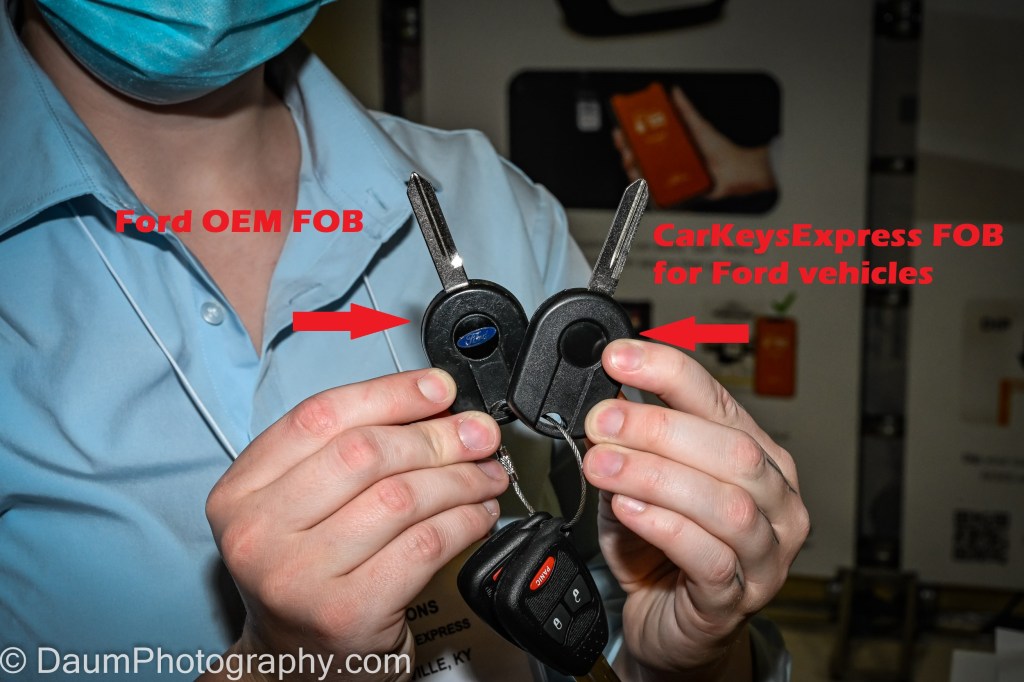
If you have ever lost your OEM FOB you know what a hassle it typically is to get a replacement from the dealer and to get it programmed properly, let alone the steep cost you incur.
While there have been non-OEM FOBs available for years, most don’t end up working or require you to still go to the dealer to get it properly programmed, again at a significant cost.
Enter Car Keys Express.[1] Their byline elegantly sums it up: Replacing car keys is simple and affordable again.™ Founded in 2006 by CEO Mark Lanwehr, no not in his garage 😊 but on the dining room table of his one room apartment. By 2006 it was the first online retailer of automotive keys and keyless entry remotes. Two years later Mark started offering his services to dealerships and fleet owners and now serves over 3,000 cities in the US and Canada. Along the way they added self-serve kiosks and remote optical scanners for dealerships. They are now the largest key/key FOB replacement company around.
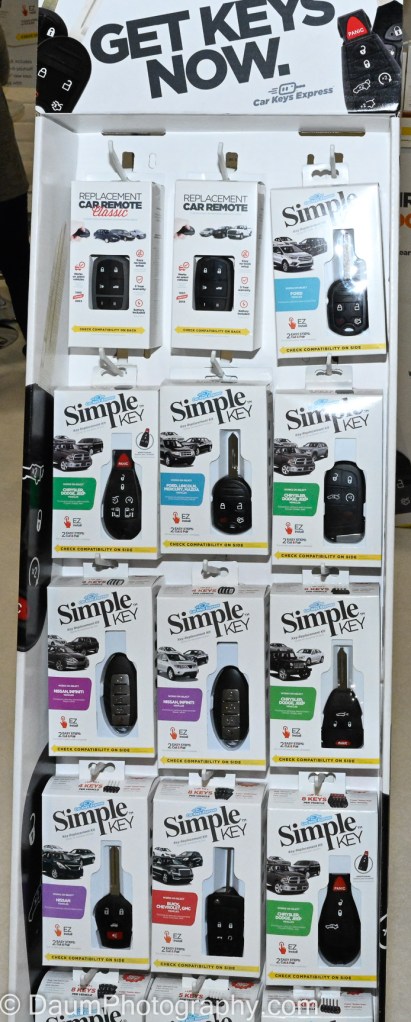
In their booth at AAPEX 2021 they had samples of their products including their ROKS or retail optical key scanner, their Keys Now, their Simple Key, the Universal EZ Installer™ and the EZ Installer™. The ROKS is stand alone unit that you insert your existing key for scanning. Then they send you the key completely cut. Their FOB to use with the key can then be paired up with your car using their Universal EZ Installer and a free phone app. The process saves you about 70% of the cost as compared to going to the OEM dealer.
Simple Key (a kit premade for each specific OEM) comes with the EZ Installer. Costs vary depending on the OEM and vehicle, but ranges from US$99 to $149 versus if you went through the dealer where you would pay in the range of US$300 to $500 or more.
The difference between the Universal EZ Installer™ and the EZ Installer™ is that EZ Installers are designed to only work with one OEM, such as Ford, GM, Mazda, etc., while the Universal will work with about 95% of OEMs (and since this is a brand-new product, they are working refine its software to work across all OEMs). Once purchased the Universal EZ Installer or the EZ Installer and connected to the owner’s vehicle via the OBD2 port, the imbedded software becomes linked to the VIN. This means the owner can make multiple duplicates but only for that specific VIN. It can not be used after that on another vehicle.
Options for the end user currently include purchasing a kit from them online, locating and driving to one of their Car Keys Express locations in your city, having their mobile service scheduled to come to you, and a priority option of having them come within 24 hours. The respective pricing ranges from about US$99 if you drive to them $169 for a scheduled come to you and $315 for 24 hours service. All well below the hassle and cost of getting it done through your OEM Service Dealership.
In my discussion with Kirk Stewart, Retail Marketing Director of Car Keys Express, he told me that it takes about 18 months on average for them to reverse engineer an OEM FOB, and develop their own proprietary software and chip design, extensively test it out before selling them. They design their units to exceed the OEM in terms of quality, latest electronics, and durability. The finished product is waterproof to 30 feet (OEMs are not) and have better battery life as well as range of operation.
They currently have their circuit boards made in China to their proprietary design, but are looking to bring that phase of the process to the United States. Car Keys Express design, engineer, load their own software on the boards, and package all of the units in the United States (Louisville, Ky). They guarantee their products for 3 years (parts and labor) versus the OEMs’ ninety days to one year.
One of the shoots I enjoy doing is finding things that are ‘right before our eyes’ but we don’t always take the time to notice. Wall art, murals, sculptures and street art seem to fall into that category.
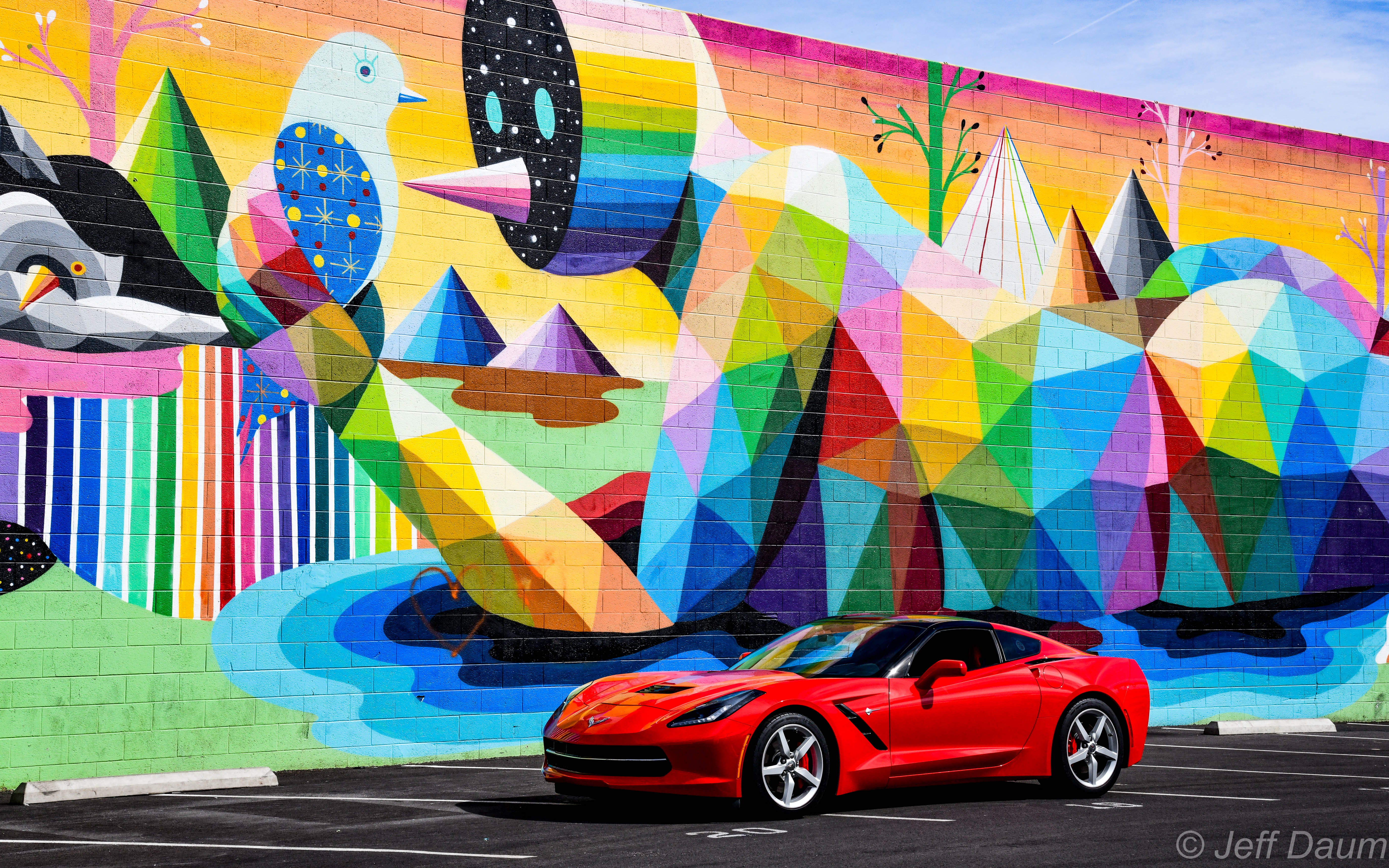
I set out looking for wall art and murals in what is considered Old Las Vegas. Included in the following unique creative images, is the iconic American Sports Car, the Stingray for a juxtaposition- rolling art vs fixed art.
Hope you enjoy.
True only in the ‘winter’ here, during the summer, the process is much faster.Summarizes both the mural and the car. Do you think they want a Stingray?Indeed.Shapely double entendreFast and fierce.
Sometimes we don’t need to look any further than outside one’s back door to experience the wonders of nature. This series- High Drama– capture the amazing natural blaze of colors in the Nevada sky.
Probably the best way to start is to use CES’ clever one word campaign that defines CES 2017: Whoa!
Having spent 5+ days trying to take it all in, and by all I mean over 3,800 exhibiting companies, across several Las Vegas resort locations and the LV Convention Center, and is the largest event of its kind, I have to agree Whoa! best describes it.
If you are not familiar with CES, it used to be known as the Consumer Electronics Show, and now is called CES: the global consumer electronics and consumer technology trade show. While the new official name isn’t as ‘catchy’ as the original one, it is more accurate. Exhibitors and buyers from 150 plus countries attend, network, and place orders for this year’s hottest tech.
Additionally, it serves as a platform for the top experts in related fields and industries to come to share ideas and learn from one another. While it is not open to the public, it has a massive attendance- over 175,000 this year, along with a large media presence to get the word out.
CES 2017 covered a broad range of technology and its impact on:
Aging and accessibility
Cyber security
Drones (from micro to those capable of carrying an individual)
Enhanced audio and video
Gaming, VR and AR (virtual and augmented reality)
Health, fitness and wearables
The Connected world
Sustainable and Eco-friendly tech
Vehicle technology
Startups
Family and lifestyle
Content and entertainment
Robotics
The focus of this blog is one slice of CES 2017 which, in my opinion, will ultimately impact virtually everyone- that of Autonomous Vehicles. From my perspective, it truly reflects the synthesis and status of the technology found across most of the areas in the bullet list above.
Introduction: Just what is an autonomous vehicle?
Is it a car that can drive down the road by itself like a Tesla, or one that can park itself like a Toyota, or brake itself to avoid collision like a Cadillac, or is it reserved for something more like depicted in the 1960s series the Jetsons?
Courtesy of Newsday
At CES 2017 there were numerous autonomous vehicles in all shapes and sizes.
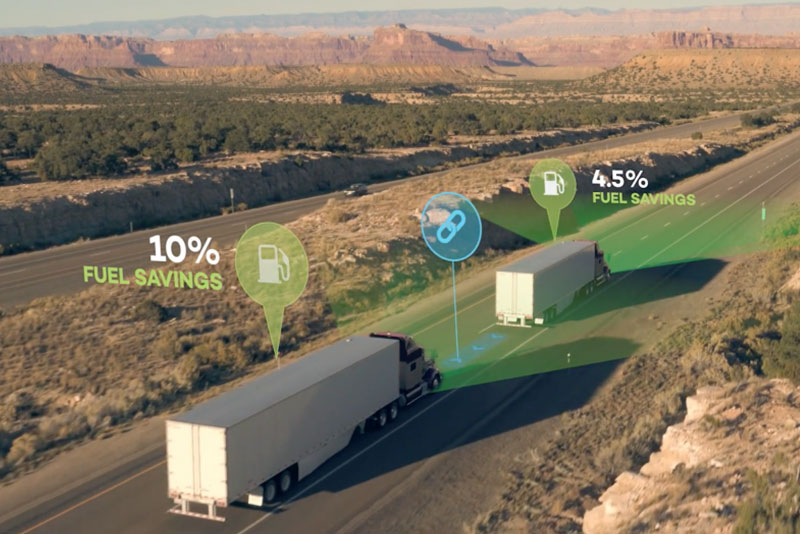
And there were even semi-autonomous trucks demonstrating platooning technology, where they are able to travel in a caravan fashion saving fuel and driver effort.
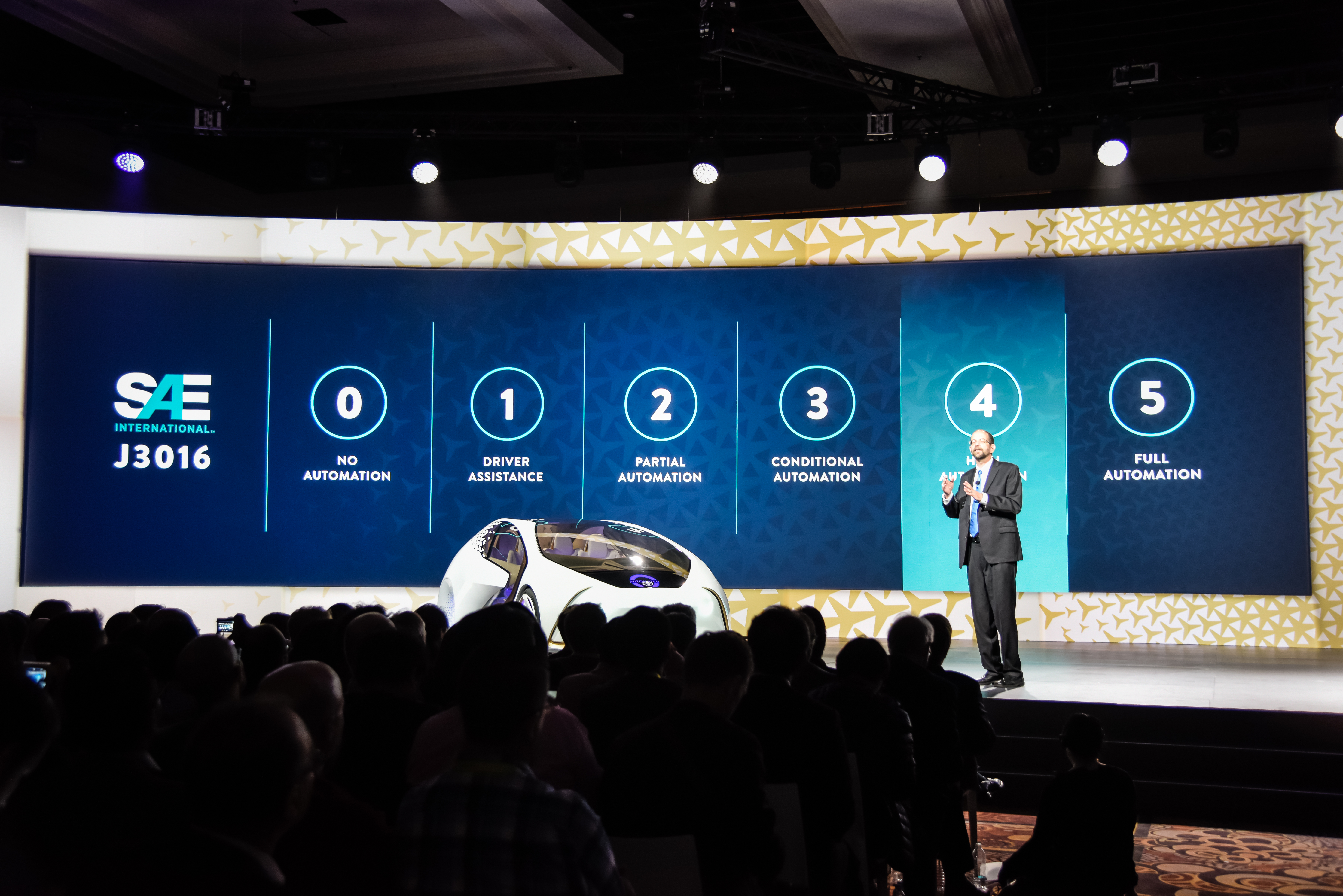
SAE has developed the most broadly accepted definition of the levels of driving automation. As seen on the accompanying chart, they have described five levels ranging from ‘no automation’ through ‘full automation.’ Most important is the transition role (responsibilities) between the human and the ‘system.’ The biggest shift is between levels 2 and 3, where the responsibility for monitoring the driving environment shifts from the person to the system. The role of the human becomes one of back-up to the automated driving system. Of course, this shift in responsibility is one of the thorniest and most complex components of the process.
Autonomous vehicles– the major potential ‘pros’:
Among the top reasons to move towards automation level 3, 4 or ultimately 5, include anticipated significant reductions in vehicular deaths; reduction in congestion; reduction in pollution; facilitated transport of individuals unable to or who should not be driving (too old, infirm, disabled, too young, under medically induced or other impairment).
For example, there are approximately 32,000 automotive related deaths per year. NHTSA has estimated that between 90 and 94% of those are due to human error. Further, the economic cost is c. $242 billion and societal harm c $836 billion. Automated drive systems, whether as low as SAE level 2 on upwards to 5, is expected to significantly reduce deaths due to human error. Most agree it is reasonable to expect automation to quickly reduce the automotive related deaths easily by half or more.
Damien Riehl (a technology lawyer with a background in legal software design) summed up the critical advantages of the ‘hand-off’ from human to machine: “Computers do not share human drivers’ foibles: They cannot be inebriated, they don’t text, and they don’t fall asleep. Automated-driving systems can also have super-human qualities: 360–degree vision; 100 percent alert time; constant communication with the road, traffic lights, and other cars; “sight” through fog and darkness; and universal, system-wide routing for traffic-flow optimization. Computers react faster: Humans’ reaction time is approximately 1.5 seconds, while computers’ reaction times are measured in milliseconds (and, per Moore’s Law, improving exponentially). [ from the Bench & Bar of Minnesota, the official publication of the Minnesota State Bar Association; Riehl Oct. 4, 2016]
Another significant advantage of moving towards autonomous vehicles comes from the necessary connectivity in each vehicle. Autonomous vehicles will need to be able to ‘communicate’ with other vehicles on the same road, the environmental variables such as traffic lights, weather, flow, etc. This critical inter-connectivity will enable aggregated, and most cases, instantaneous learning by the vehicle’s system. Much like we see today in applications such as WAZE and LIVE, where we as drivers hear of traffic issues, police actions, etc. in near real time, and they can choose to act upon such information, that is learn from it, or ignore it. But of course, the difference is that autonomous vehicles will be programmed with algorithms to instantaneously incorporate the new information and take appropriate corrective actions. For example, if an autonomous vehicle is driving along a road where there is a traffic accident or construction, it would send the information to other autonomous vehicles further back on the same route, resulting in a seamless rerouting. This built in collective and incremental learning will mean that the more the autonomous vehicles drive, the more of them on the road with vehicle-to-vehicle and vehicle-to-environs instant and continuous connections, the more efficient and expeditious each will become.
Potential applications abound (many you probably have heard about) including driverless pick up via Uber/Lyft; calling your own car to pick you up and drop you off; driverless public transportation like Olli; platooning of freight hauling trucks, etc. Autonomous vehicles also open up new modes of transportation, such as the hyperloop. For example, Hyperloop One is being built north of Las Vegas, Nevada as a proof of concept. Here in their own words is an explanation: “The Hyperloop is a new way to move people or things anywhere in the world quickly, safely, efficiently, on-demand and with minimal impact to the environment. The system accelerates a passenger or cargo vehicle through a steel tube in a near-vacuum using that linear electric motor. The autonomous vehicles glide comfortably at faster-than-airline speeds over long distances due to the extremely low aerodynamic drag and non-contact levitation. There’s no direct emissions, noise, delay, weather concerns nor pilot error. “[By Bruce Upbin, VP Strategic Communications, Hyperloop One]. Ultimately the vision for hyperloop is to have direct connections (non-stop) between cities, with hubs where either you could drive your car or take an autonomous car to the hub. At the hub you would drive onto an autonomous platform, be in a small grouping of platforms going to the same location, and be sent out within minutes of your driving onto the platform to your destination, non-stop, at speeds of up to 700+ miles per hour. At your destination, you would leave the hub and drive or be driven to your objective.
Autonomous vehicles logically could also result in lack of need for personal car (or multiple car) ownership, personal automobile insurance, significant reduction in the need for parking garages in cities, decreased pollution, and increased personal time.































 Insight - Daum Photography